

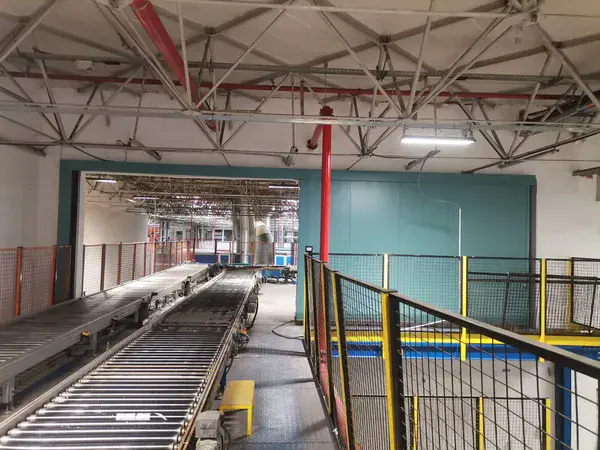
Project-Specific · Loading Ramps
Custom Ramp Design and Manufacturing
Custom ramp solutions designed and built around the loading flow of a facility, for dimensions, capacities or site conditions that standard models cannot meet.
- Category
- Loading Ramps
- Product group
- Custom Ramp Design and Manufacturing
- Origin
- Çorlu / TR
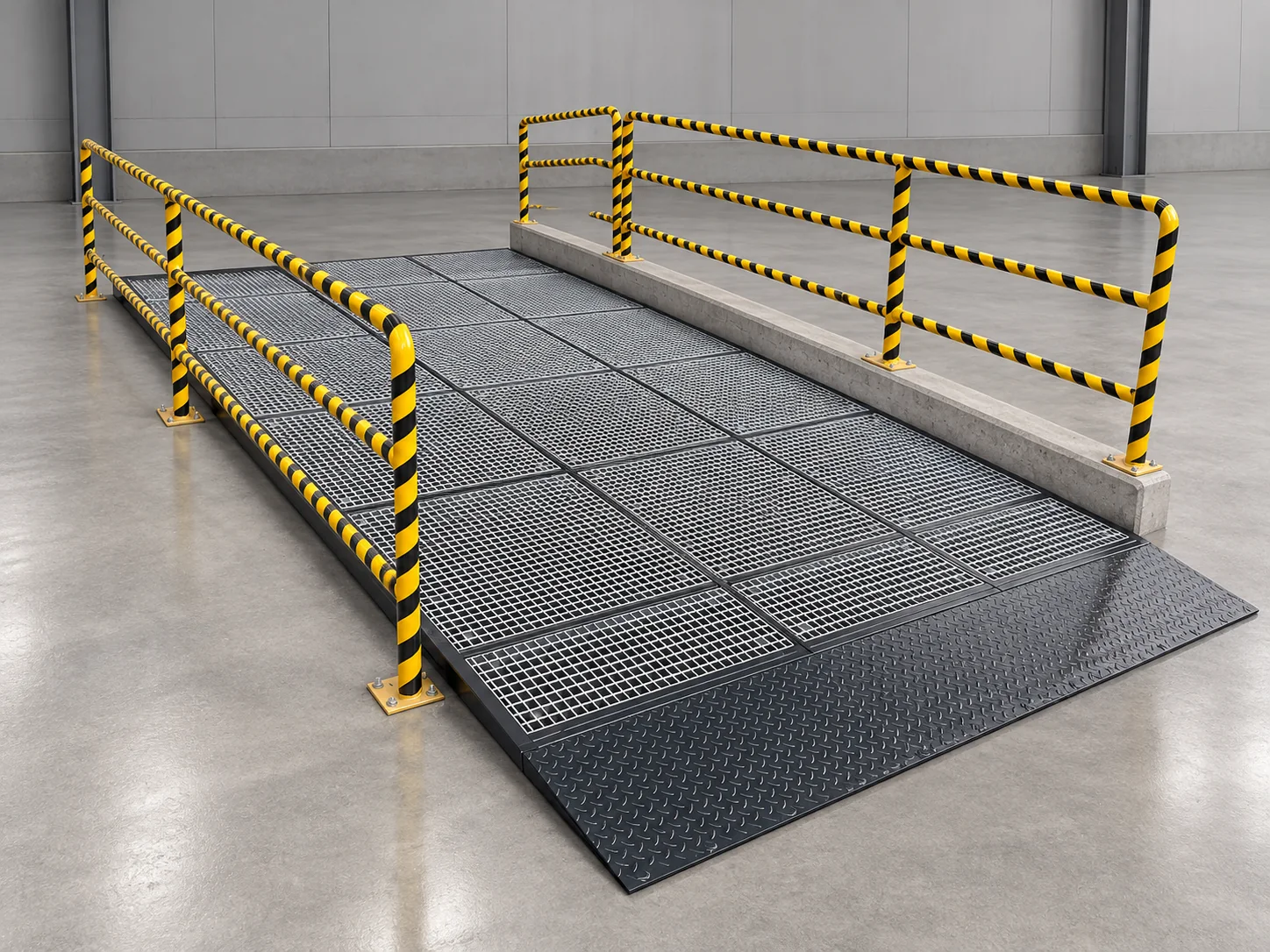
When a standard ramp is not enough
Loading processes differ from one business to another. In some facilities a catalogue model is sufficient, while in others the door opening, floor structure, vehicle type or the load itself calls for a ramp whose size and capacity are defined from scratch.
The custom ramp process starts with site measurements. Door, platform, floor and arriving vehicles are examined together, and equipment such as forklifts and pallet trucks as well as the loads to be carried are taken into account. The design is then developed with engineering calculations, production is completed, and the ramp is handed over after installation and testing.
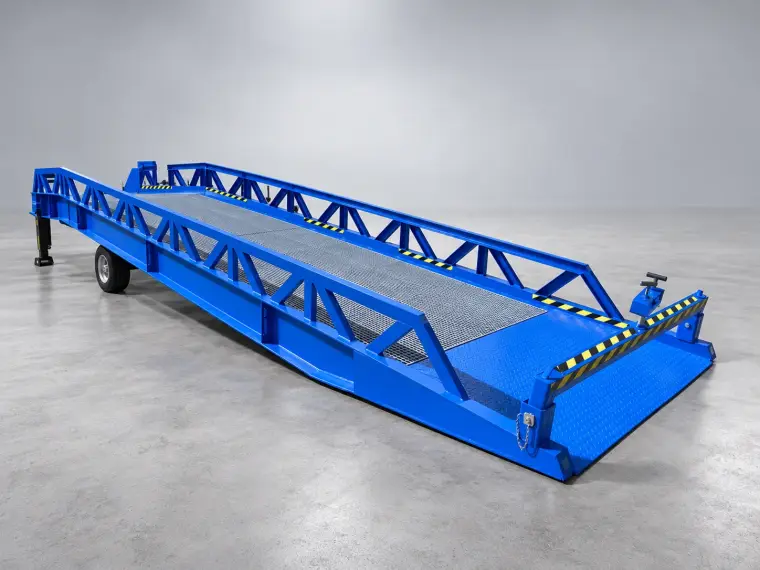
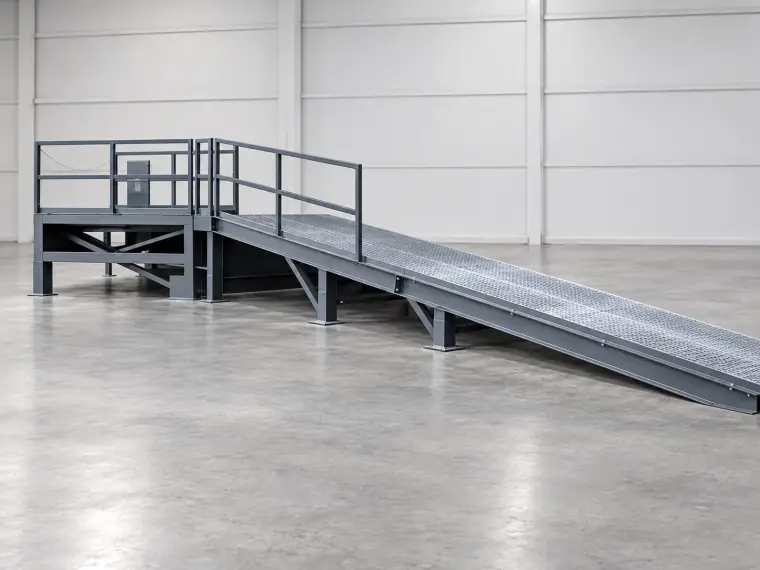
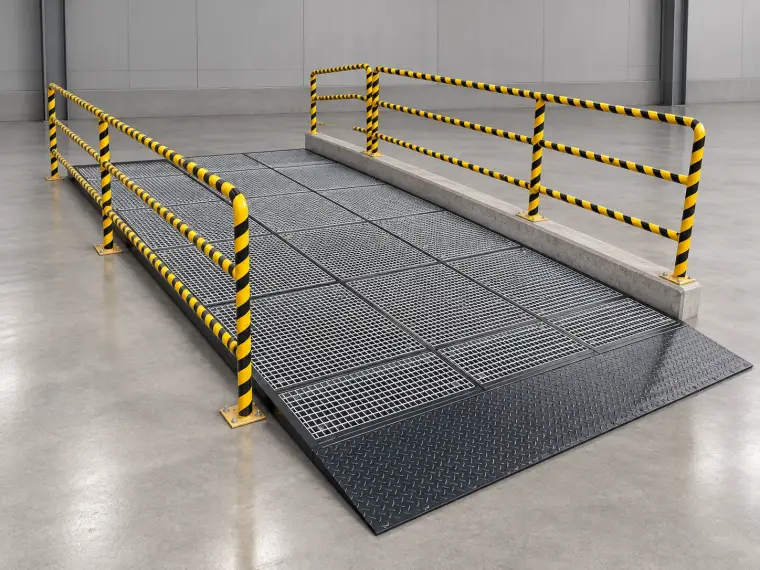
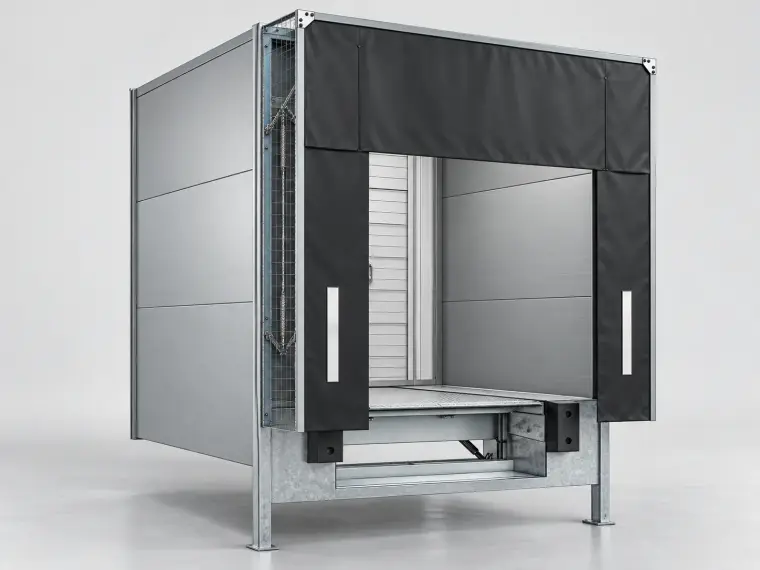
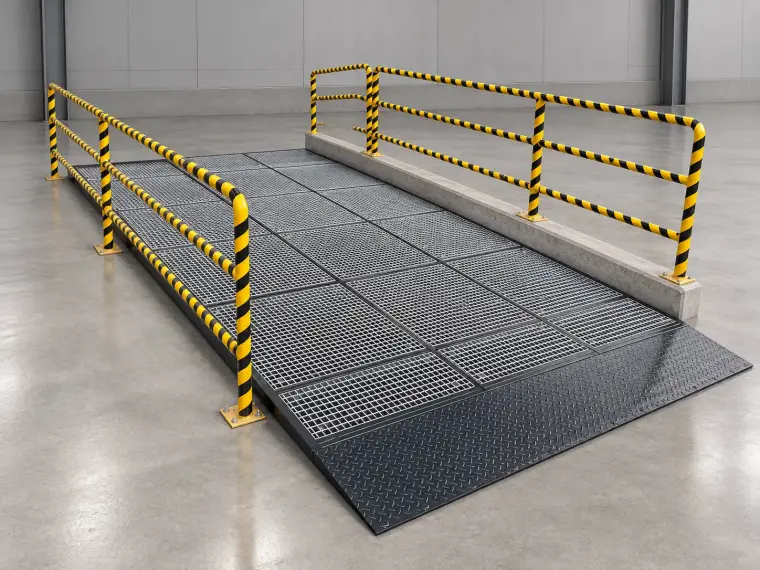
Custom solutions can be derived from existing product families: yard ramps, hydraulic, hinged, telescopic and vertical ramps as well as scissor platforms are resized or combined as required.
Design based on site data
Dimensions, vehicle types and floor structure are recorded on site, and the design is shaped by this data.
Capacity matched to equipment
Load capacity is calculated from the actual weight of the forklift or pallet truck and the load.
Fits the existing line
The ramp is engineered to connect to the platform and loading line already in the facility.
Handed over after testing
After installation the ramp is tried under working conditions before being put into service.
Variable parameters of a custom ramp
- Ramp dimensions
- According to site and vehicle type
- Load capacity
- According to the load requirement of the operation
- Surface and finish
- According to floor and working environment
- Connection and integration
- According to the existing platform and loading line
Custom ramps have no fixed value table; each parameter is written into the project as a result of the site survey and needs analysis.
Which ramp types can be custom-built?
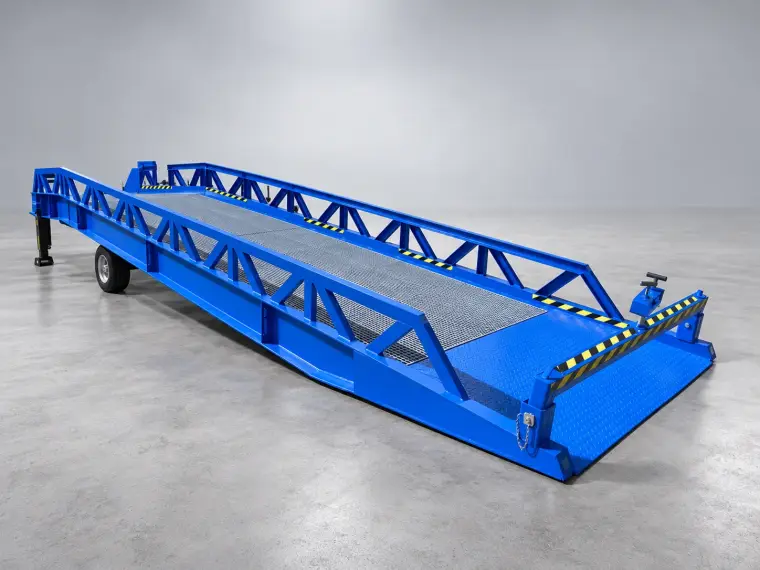
- Yard ramp: a transportable solution that can be adjusted to different heights.
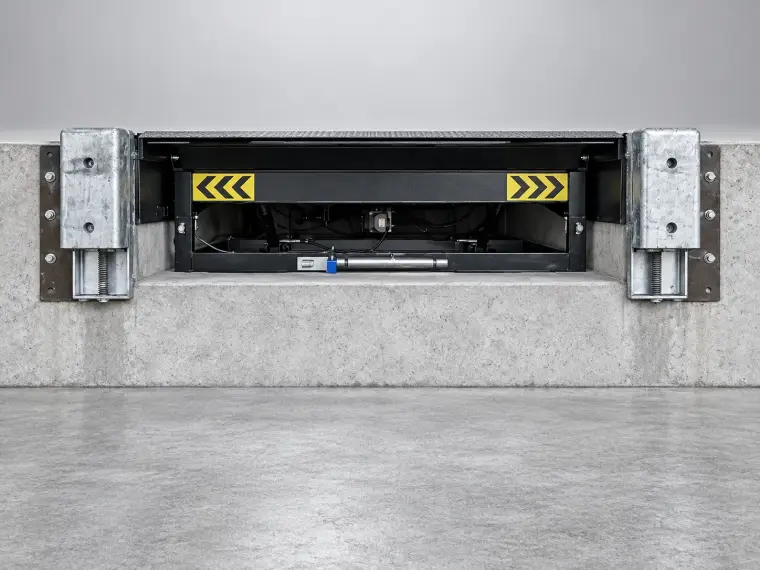
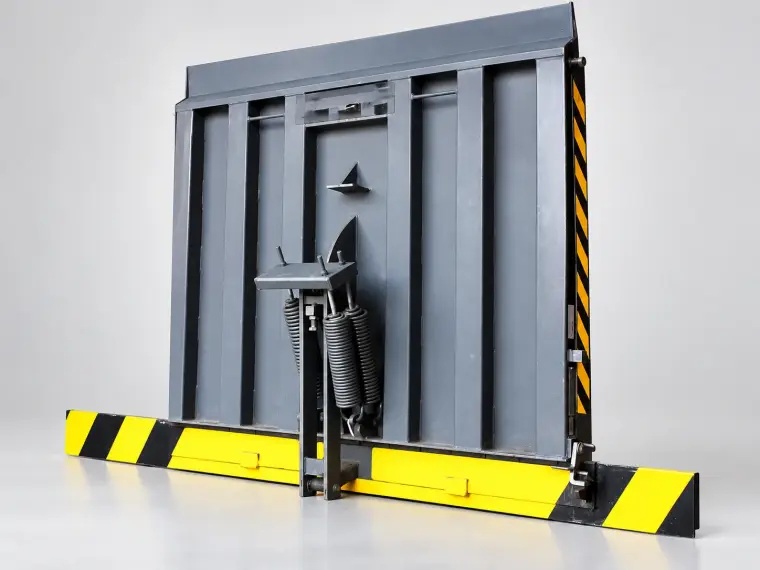
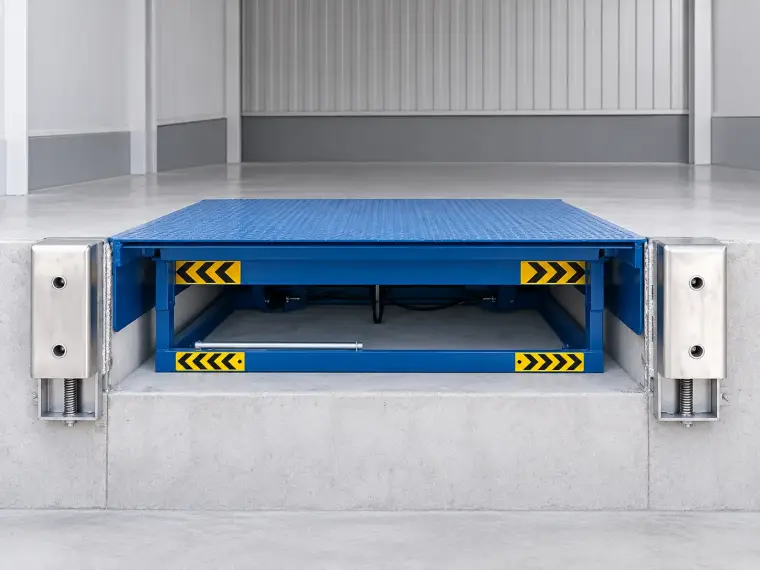
- Hydraulic ramp: a model whose height is adjusted by a hydraulic system.
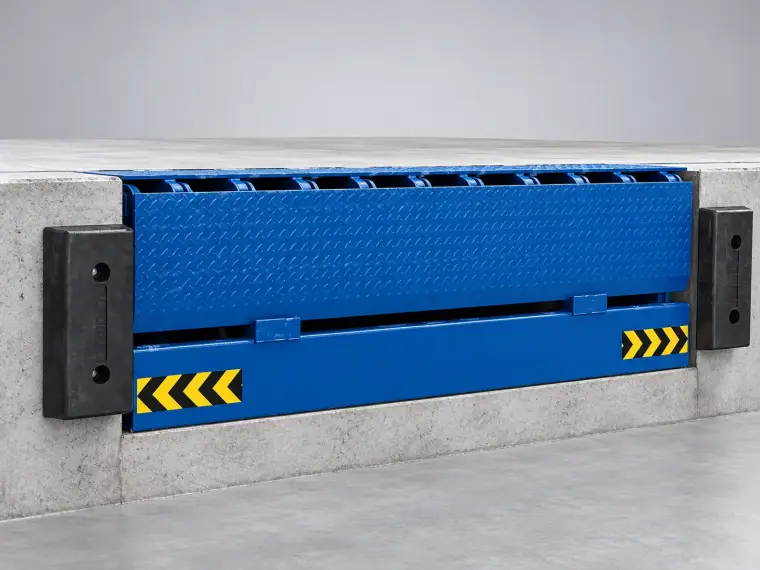
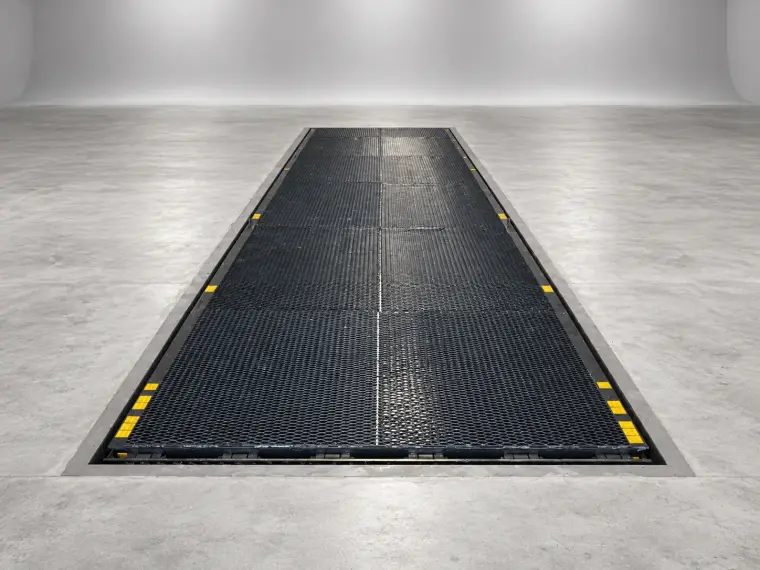
- Hinged ramp: a ramp set into concrete and used at a fixed point.
- Telescopic ramp: preferred for container loading thanks to its long lip.
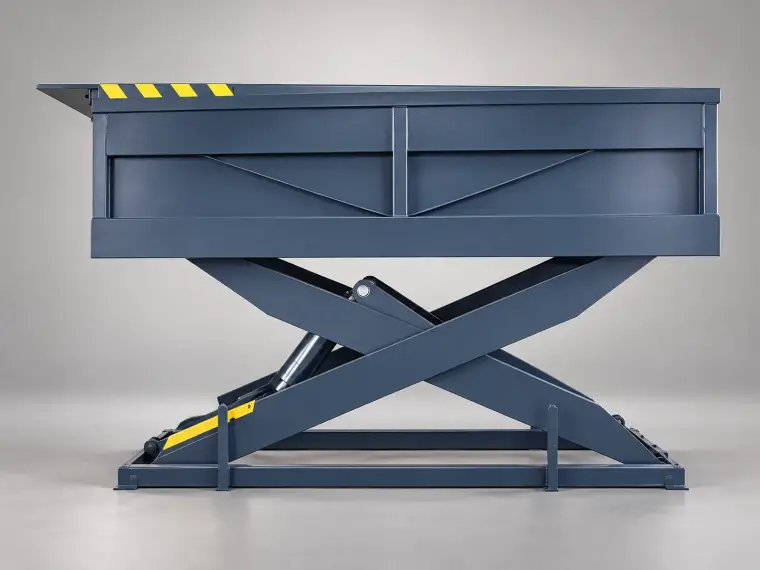
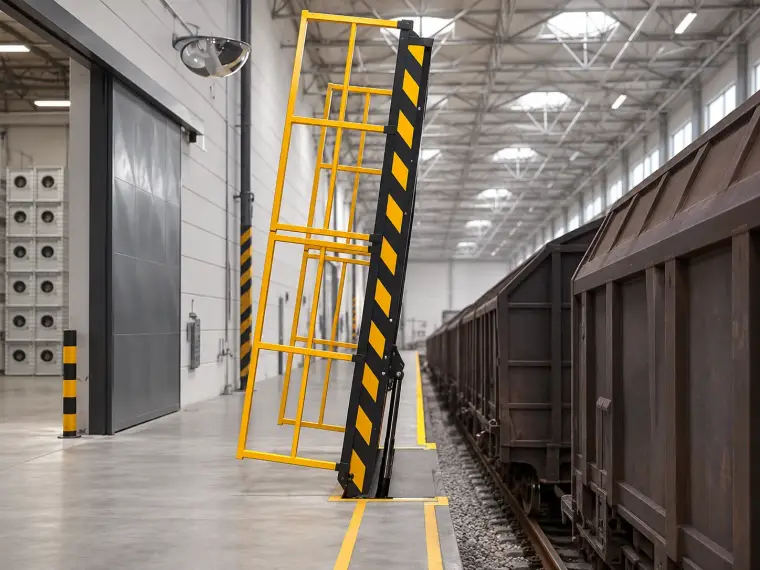
- Vertical ramp and scissor platform: the vertical ramp saves space by standing upright when not in use; the scissor platform is used where there is no level difference.
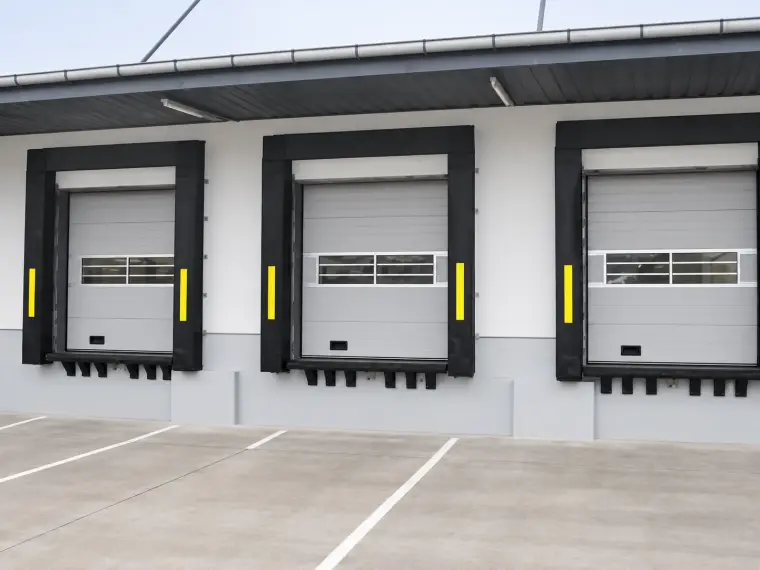
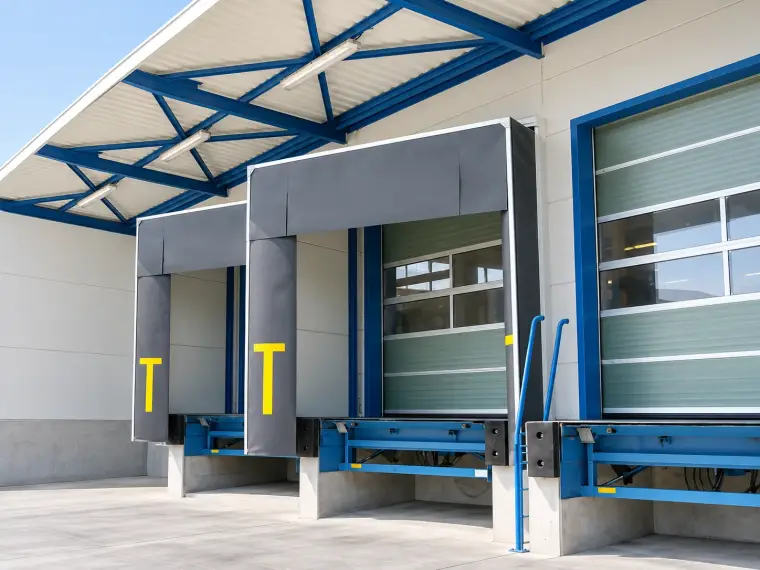
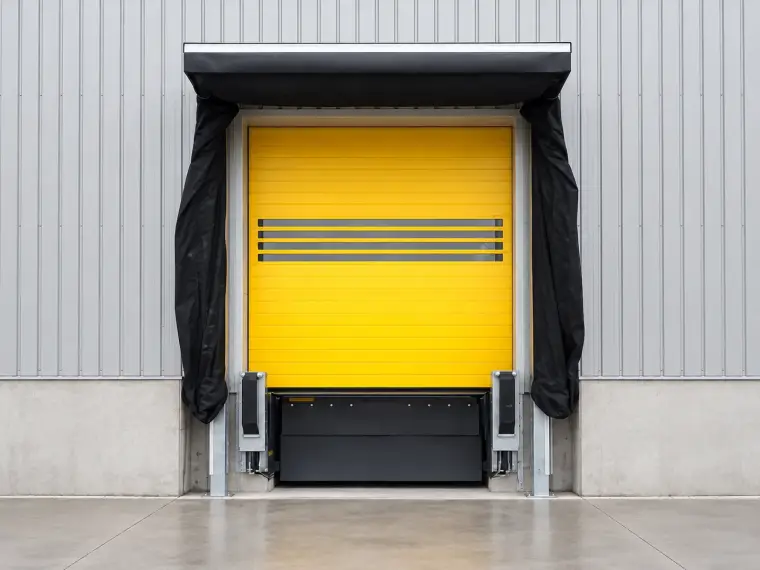
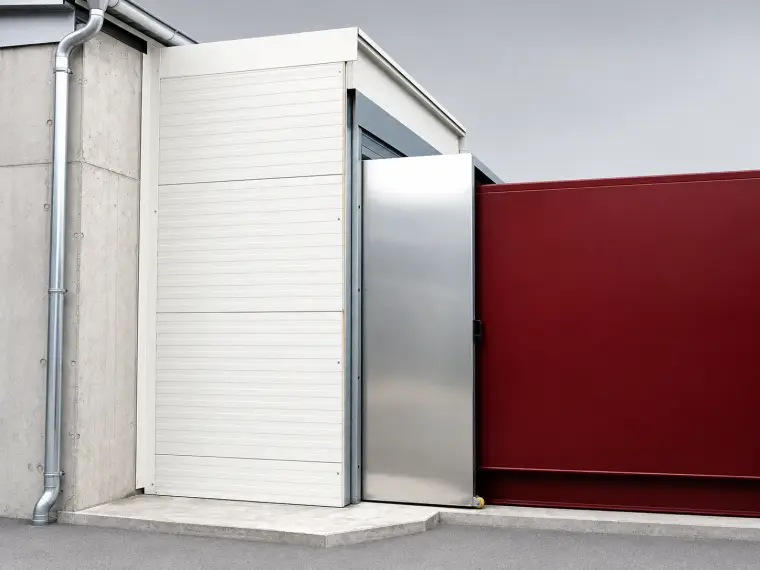
Examples from projects
Image gallery
75Click an image to move through the gallery.
Before requesting a custom ramp
- Measure the door dimensions, the height difference between floor and truck bed, and the available space.
- Note the model of the forklift or pallet truck that will use the ramp and the heaviest load.
- List the vehicle types arriving on site and the daily loading volume.
- Prepare photos of any existing platform, door or line the ramp will connect to.
Questions about custom ramps
How does the custom ramp production process work?
It starts with site measurement and needs analysis, followed by design and engineering calculations, then production, installation and testing.
How is the capacity of a custom ramp determined?
It is based on the load to be carried and the weight of loading equipment such as forklifts or pallet trucks. Capacity is calculated per project.
Can a ramp be built to suit my existing loading line?
Yes. The ramp is evaluated together with the platform, door and floor structure on site and designed to connect to that line.
What information should I send?
Site dimensions and photos, vehicle types, the equipment used and load details are enough for an initial assessment.