
Vertical Ramps · Automatic Model
Automatic Vertical Dock Ramp: A Hydraulic Ramp Positioned on Rails
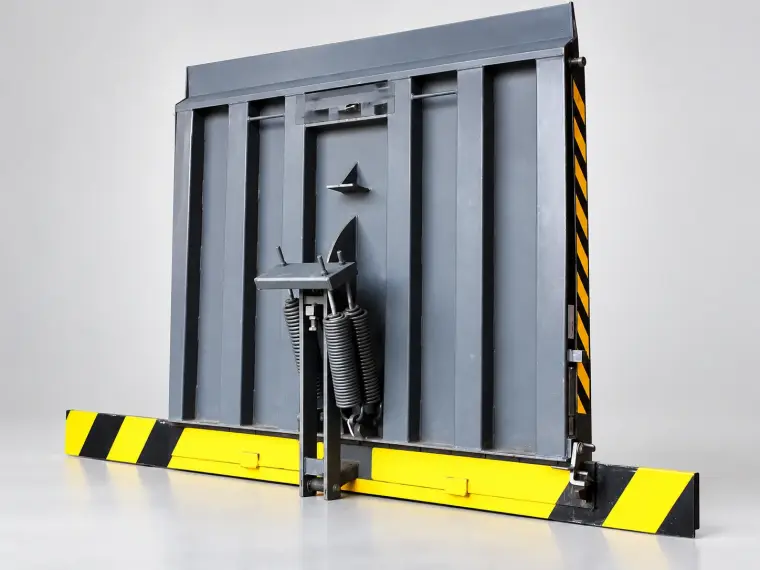
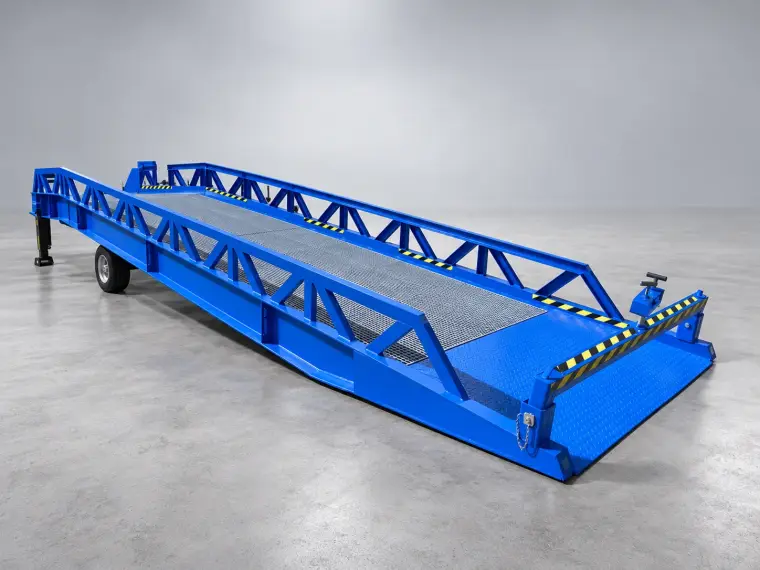
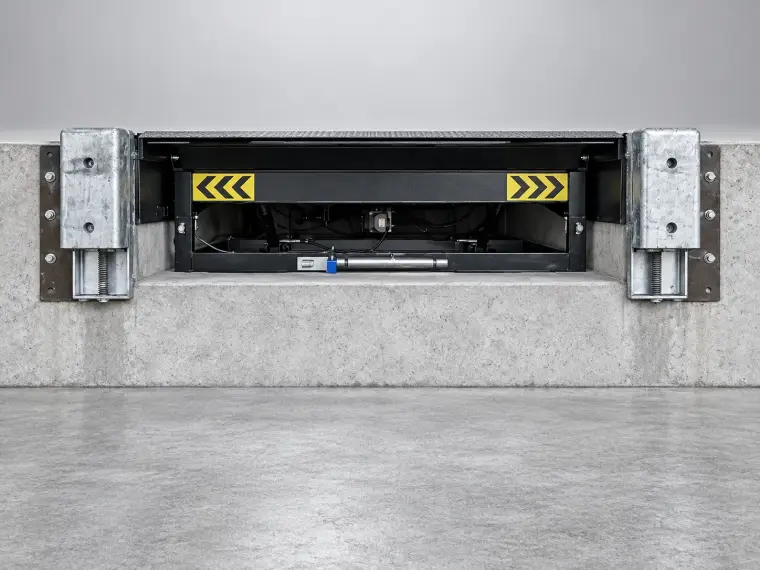
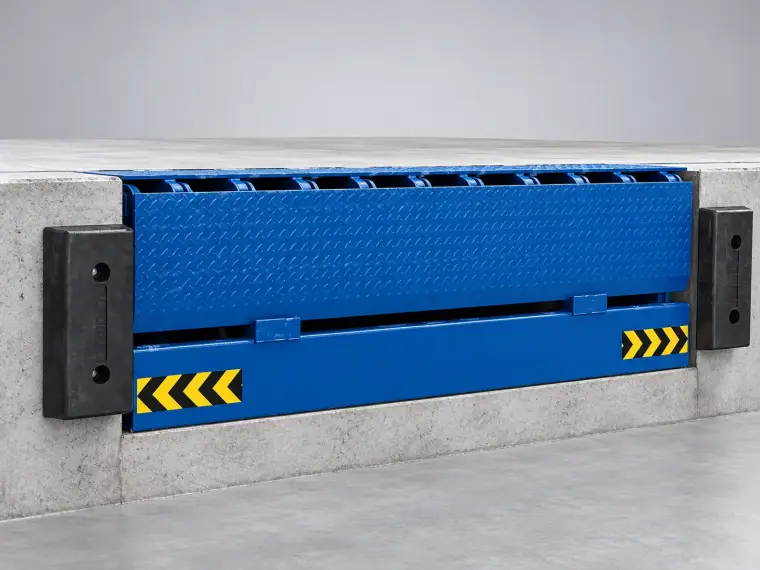
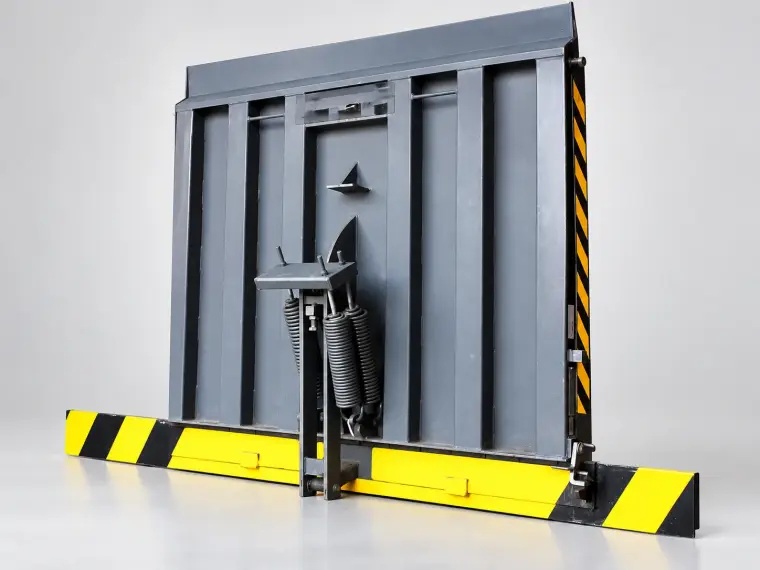
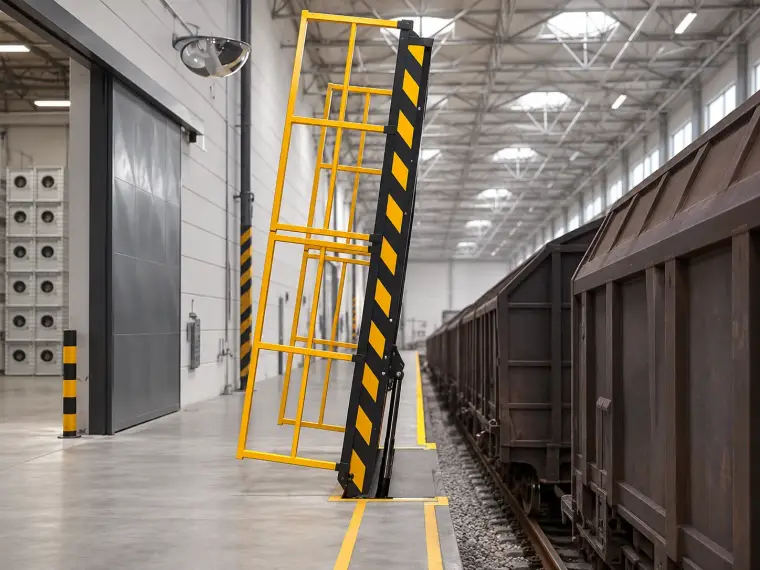
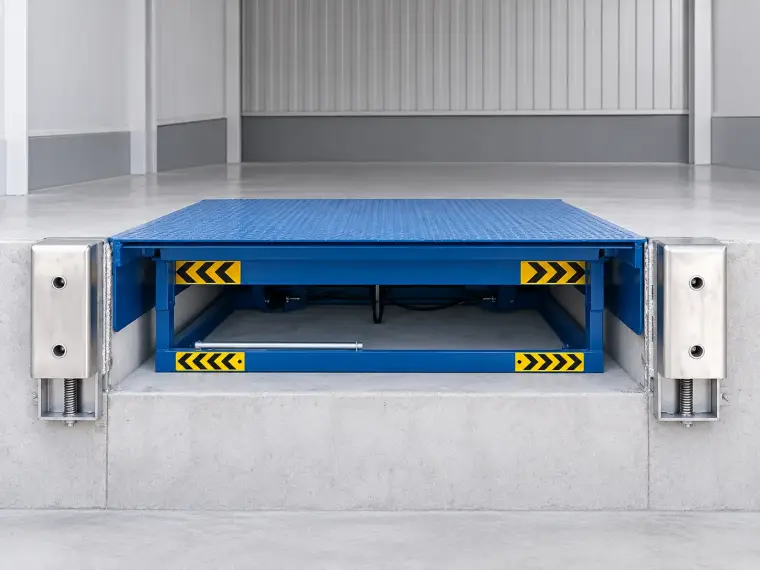
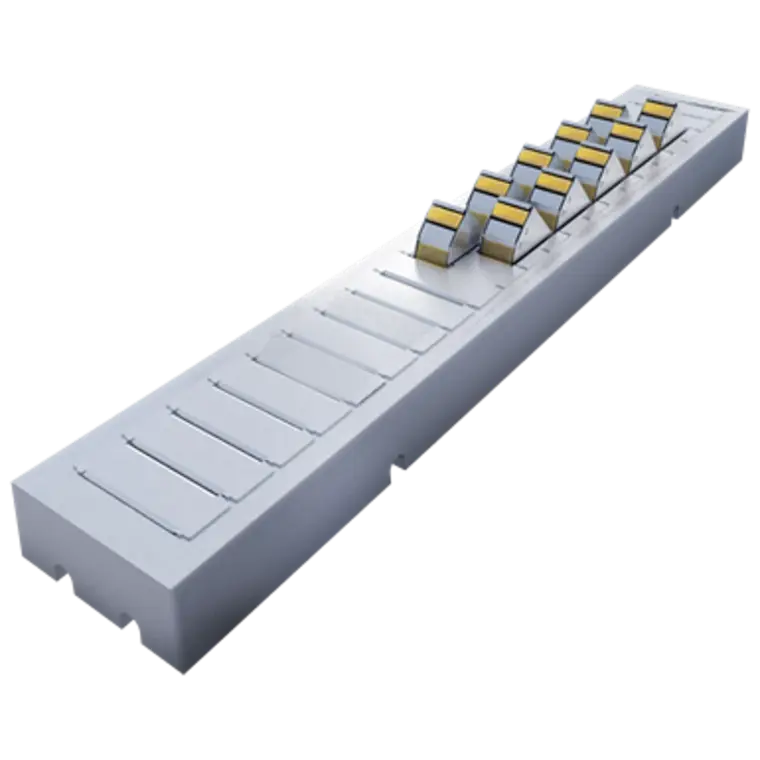
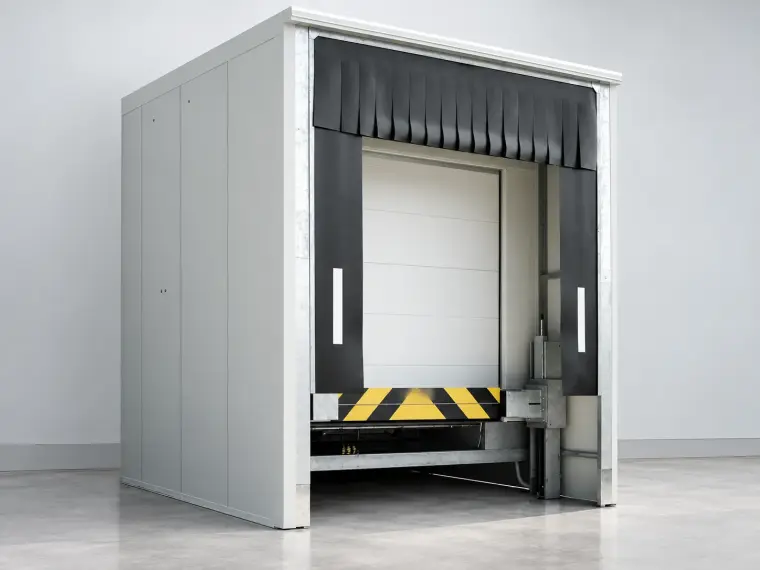
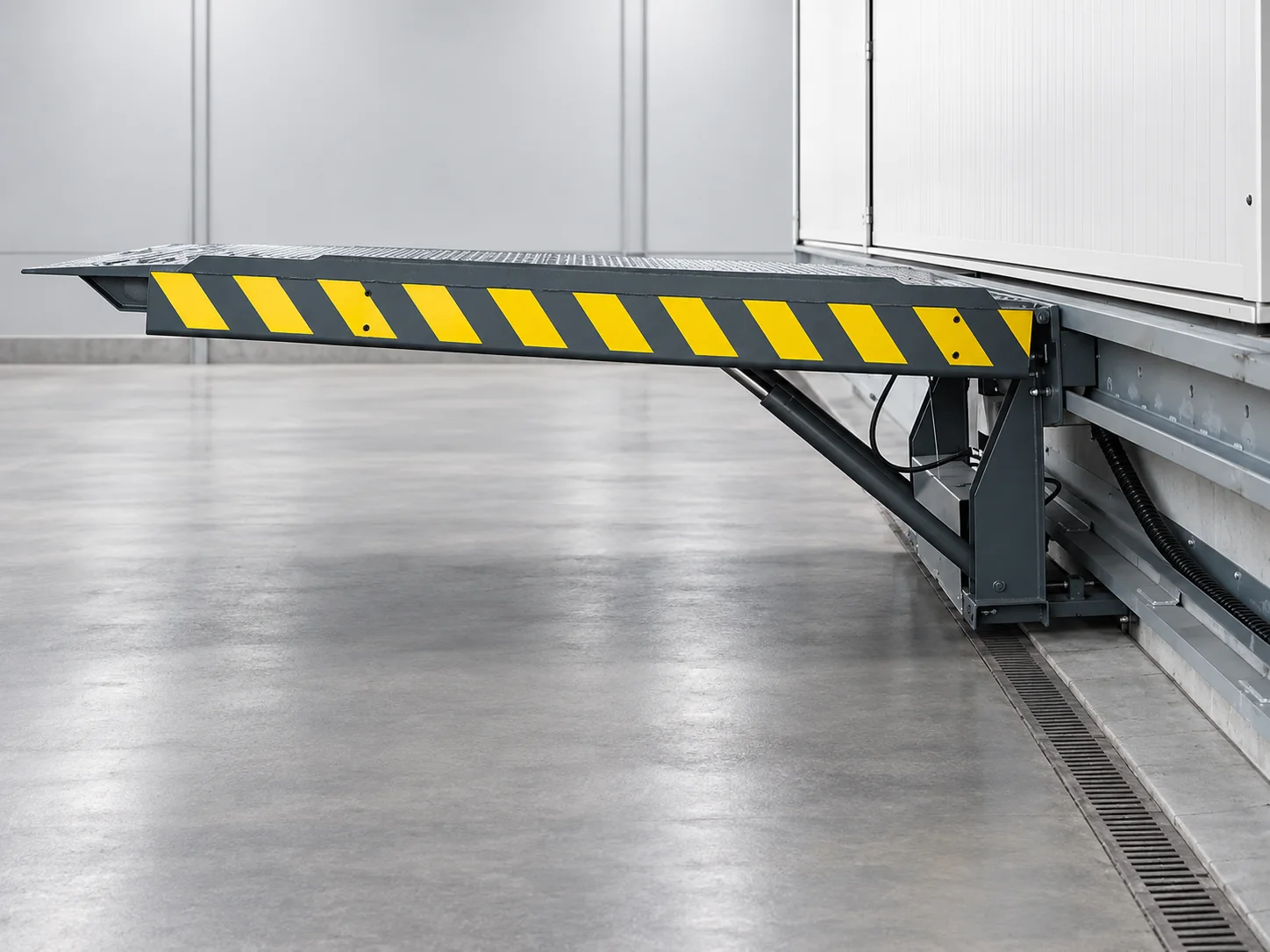
The automatic vertical dock ramp slides horizontally along rails in a channel to the point where the vehicle has stopped, lowers its deck hydraulically and parks upright once the job is done.
- Category
- Loading Ramps
- Product group
- Vertical-Storing Dock Ramps
- Origin
- Çorlu / TR
When trucks do not dock in the same place every time
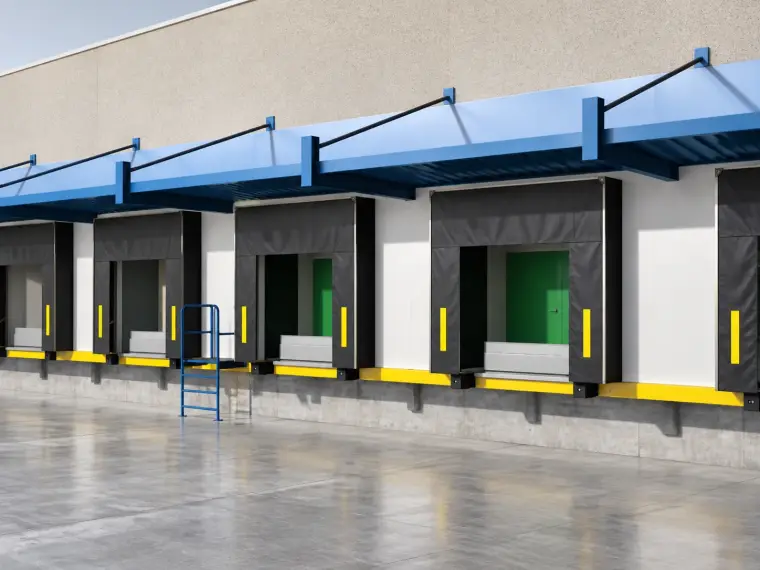
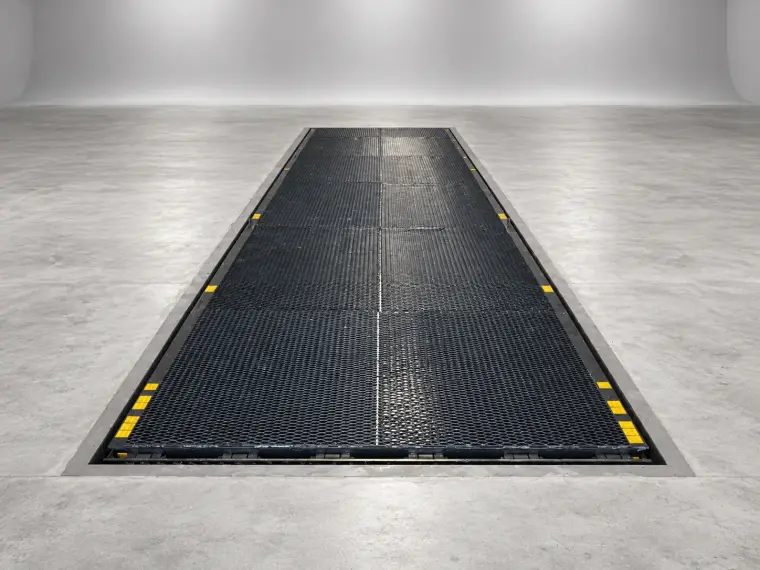
Along a long loading facade, vehicles do not always stop exactly in front of the door. The automatic vertical dock ramp solves this by making the loading point mobile: the ramp slides horizontally on rails inside a channel set into the dock edge and is brought to where the trailer has stopped.
After positioning, the hydraulic system lowers the deck from its upright parking position and connects with the truck body. The control unit runs automatically at the push of a button, and the emergency stop button is always active. When loading ends the deck is raised upright again and locked.
This arrangement suits food and hospital logistics, container loading points and facilities with variable vehicle traffic. For options that need no power installation, see the manual spring-assisted vertical ramp; for fixed loading points, the hydraulic hinged-lip leveller is worth considering.
Horizontal positioning on rails
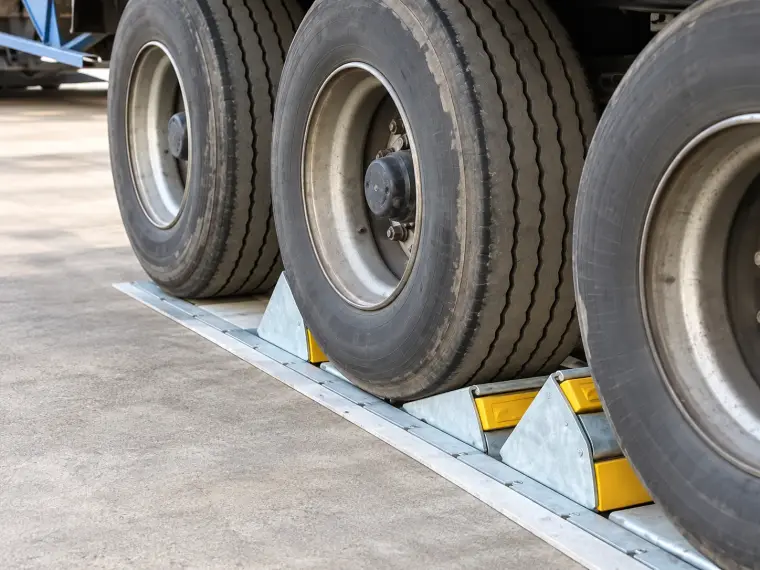
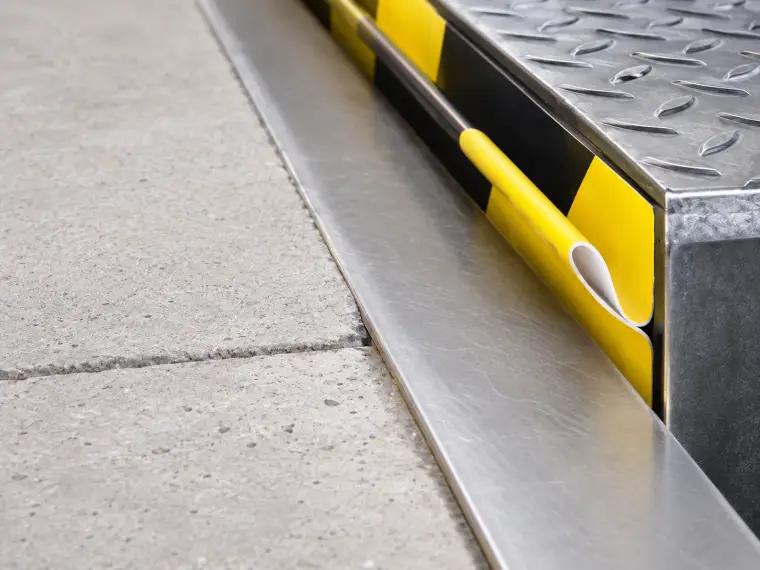
Rails inside a channel let the ramp slide to the point where the vehicle has stopped.
Hydraulic vertical movement
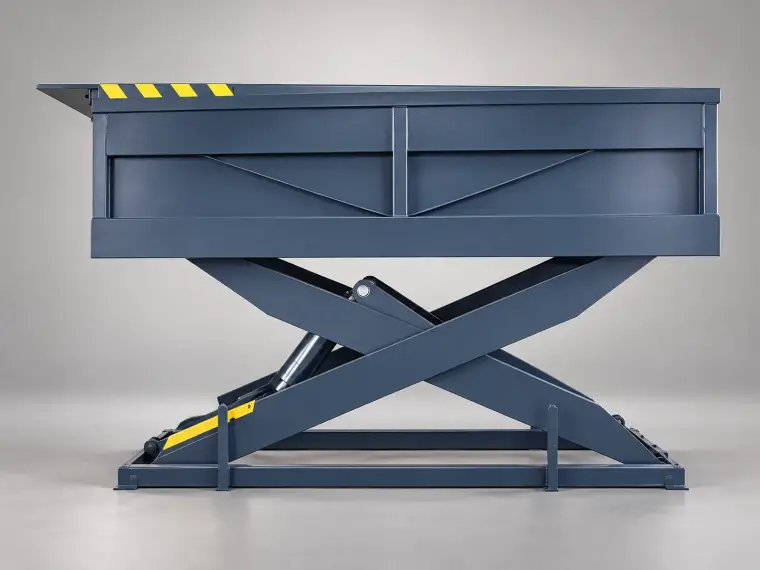
The deck is lowered from the upright position and raised again by the hydraulic system.
One button and emergency stop
Automatic operation starts with one button; the emergency stop halts movement instantly.
6–12 tonne capacity
High-strength steel body; custom builds can reach 15 tonnes and above.
Technical summary of the automatic vertical ramp
- Capacity
- 6–12 tonnes (15 tonnes and above as a custom build)
- Deck size
- Standard 2000×2500 mm, custom sizes available
- Controls
- One-button automatic operation, emergency stop button
- Surface
- High-strength steel with anti-slip checker pattern
- Parking
- Vertical locking after use
The length of the rail channel and the travel range of the ramp are engineered according to the loading facade and vehicle docking pattern.
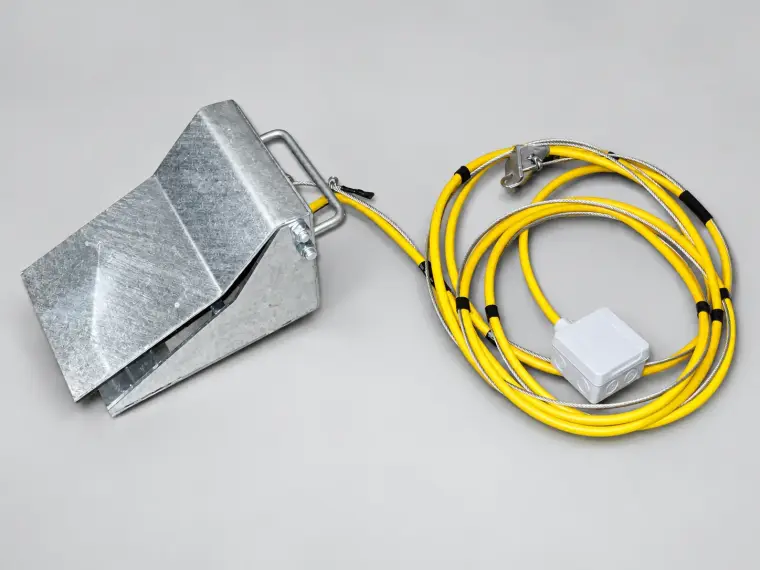
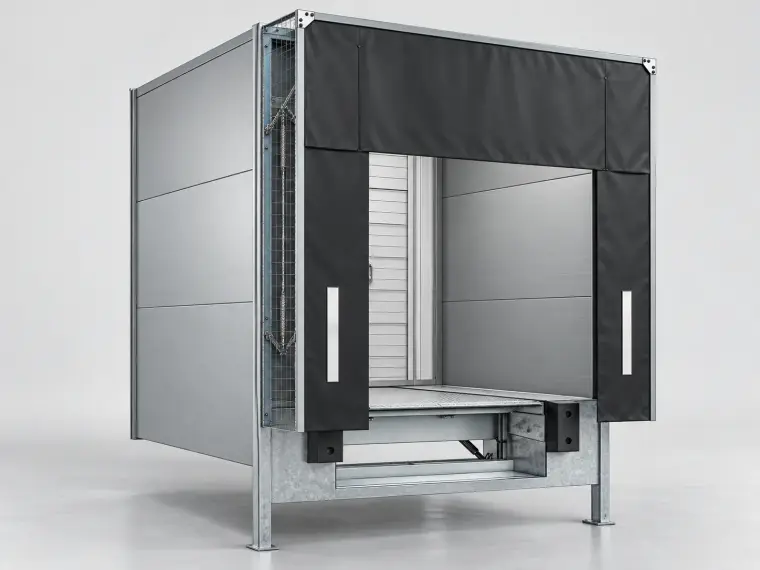
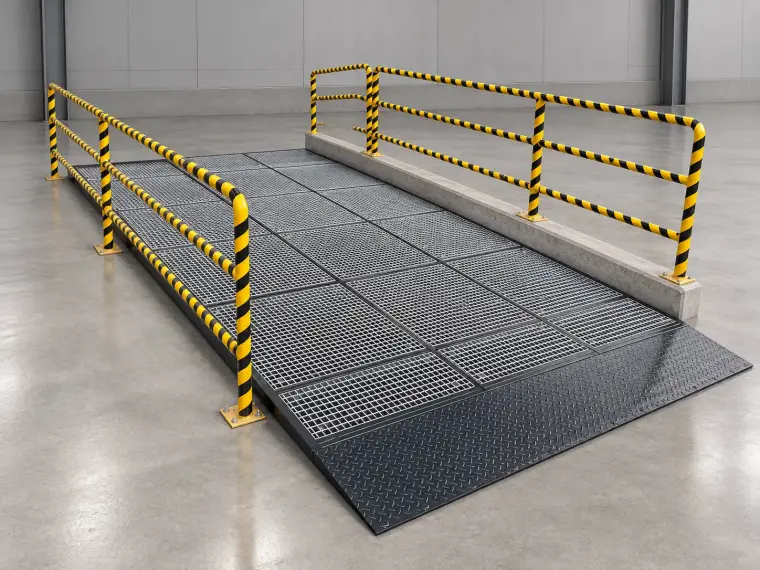
Automatic vertical dock ramp: rails, controls and installations
Image gallery
21Click an image to move through the gallery.
Tips for an automatic vertical ramp project
- Measure the furthest left and right points where vehicles can dock; the rail channel is planned to cover this range.
- Make sure there is enough concrete surface at the dock edge for installing the channel and rails.
- Place the control panel where the operator can see both the ramp and the vehicle.
- Keeping the rails clear of dirt and foreign objects ensures smooth horizontal travel.
Questions about the automatic vertical dock ramp
How does the ramp move horizontally?
The ramp slides on rails fitted inside a channel at the loading edge and is adjusted to the position of the vehicle.
Where does it stay when not in use?
When the job is finished the deck is raised upright and locked; the door area and dock edge remain clear.
What capacity and size options are there?
Standard capacity is 6–12 tonnes with a 2000×2500 mm deck. Custom builds of 15 tonnes and above and other sizes are possible.
How does it differ from the manual vertical ramp?
Manual models are hand-operated and fixed in position. The automatic model offers rail positioning, hydraulic movement and one-button control.