
Dock Shelter Systems
Dock Shelter Systems
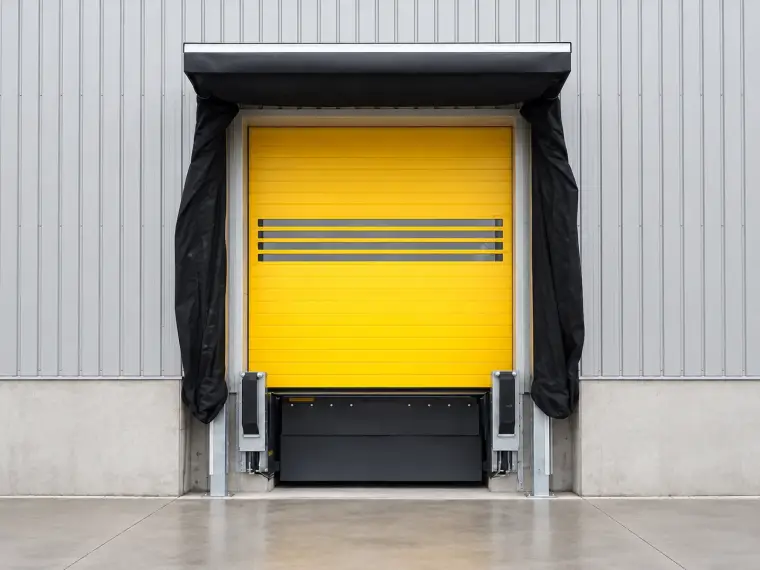
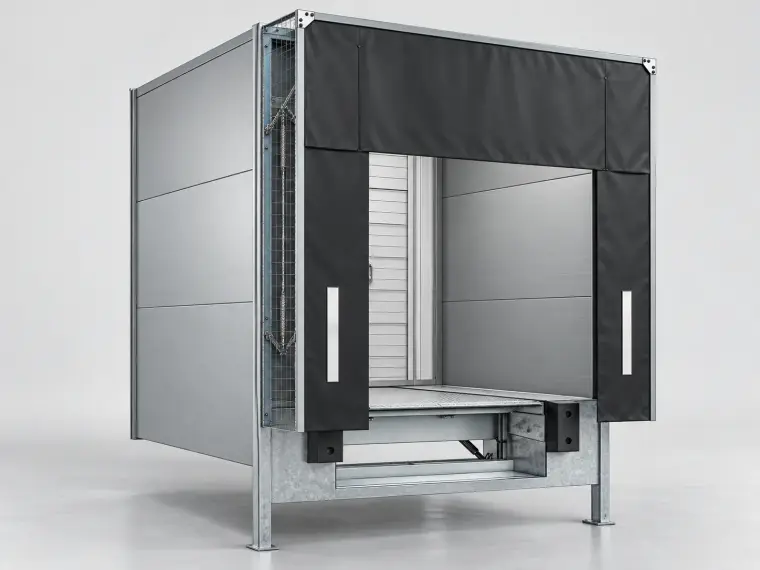
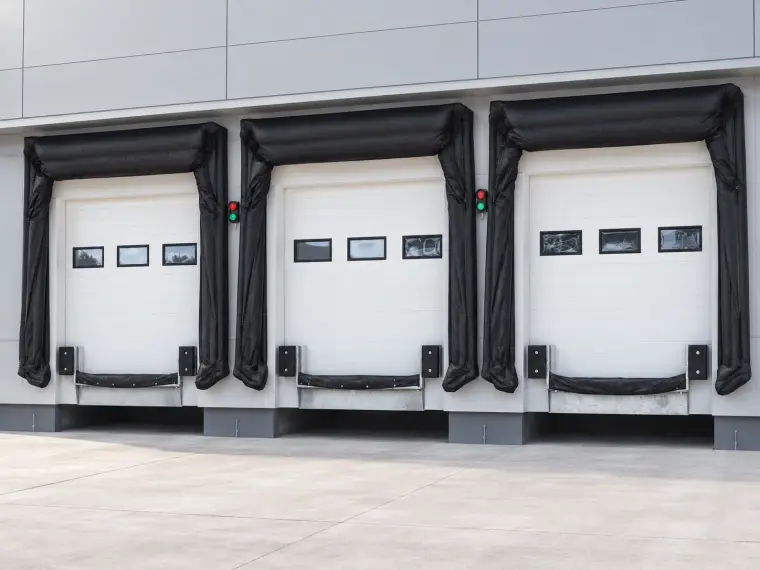
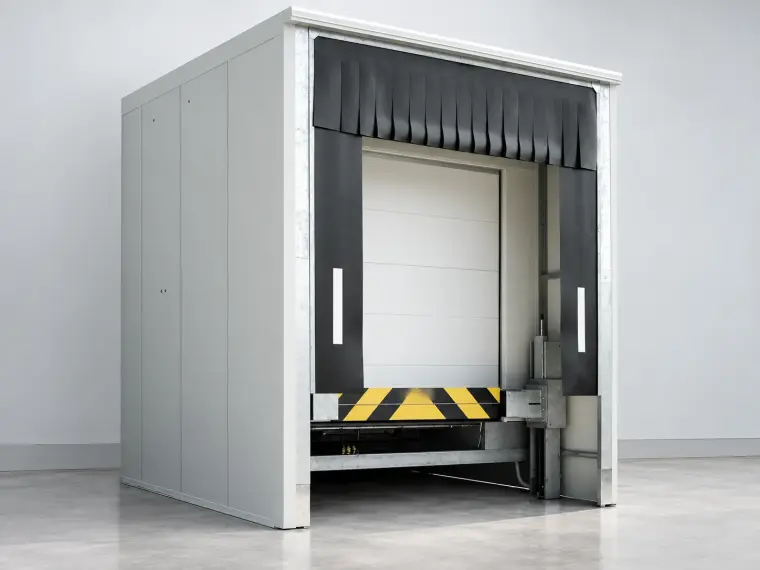
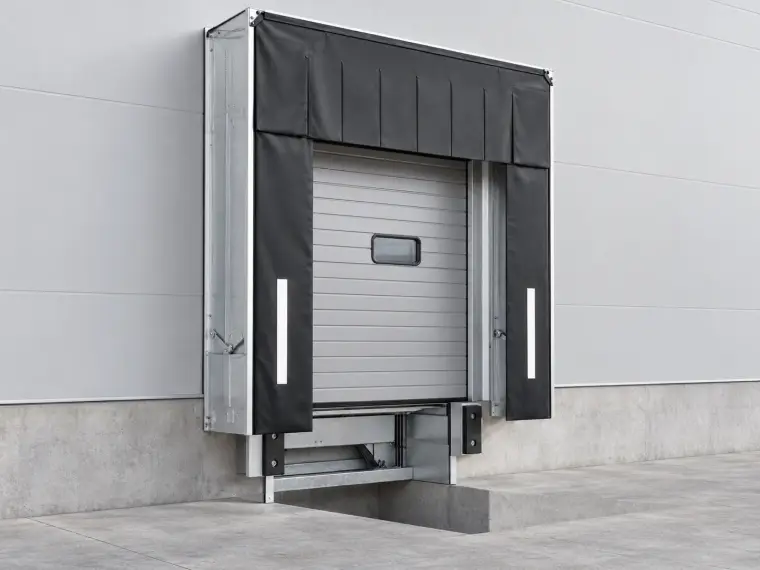
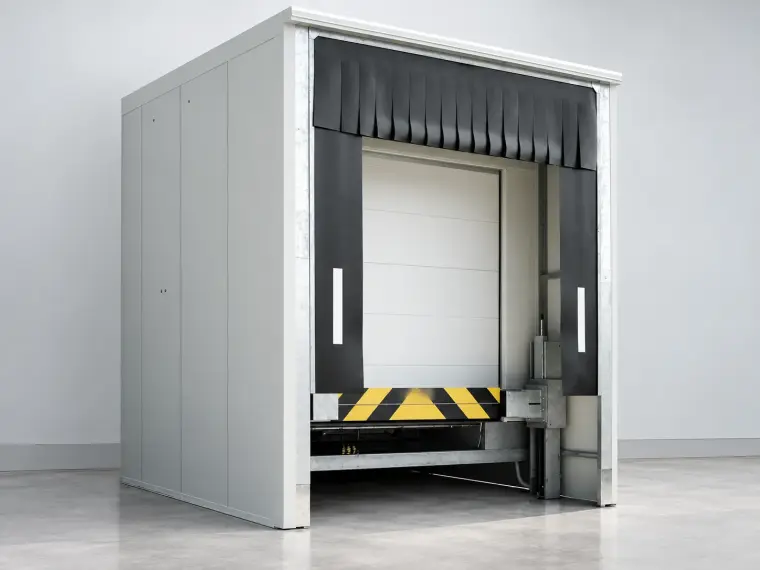
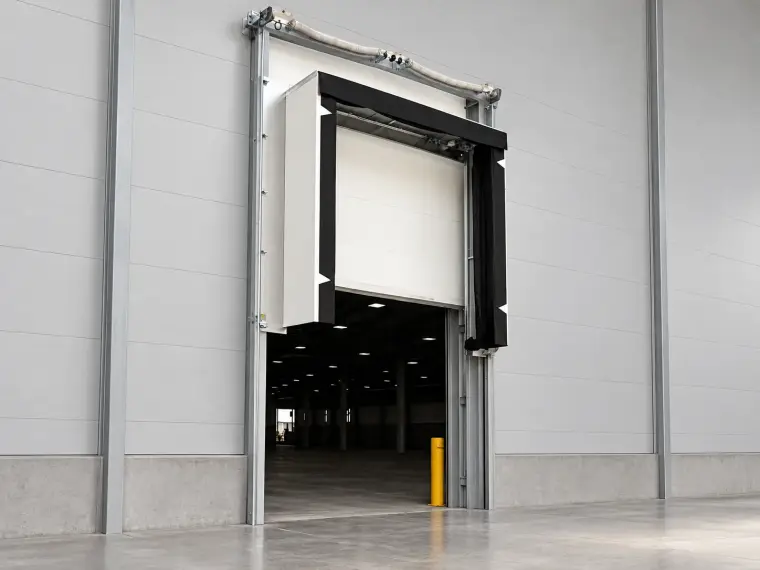
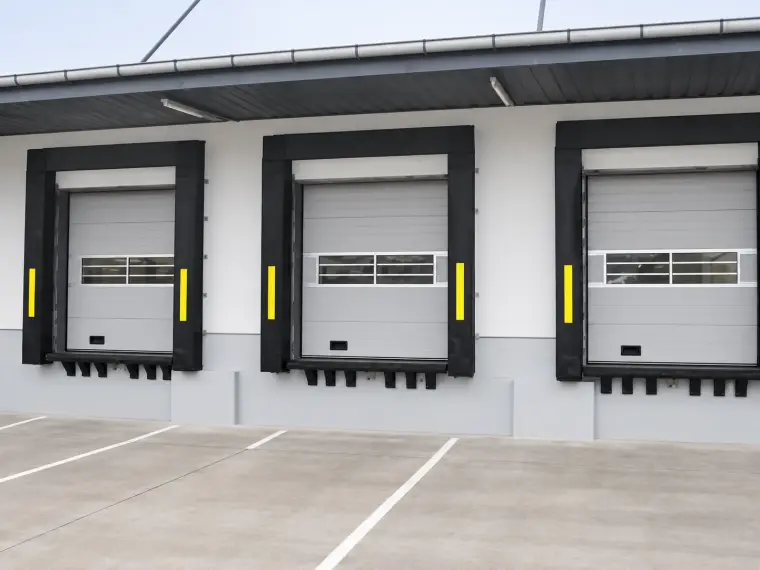
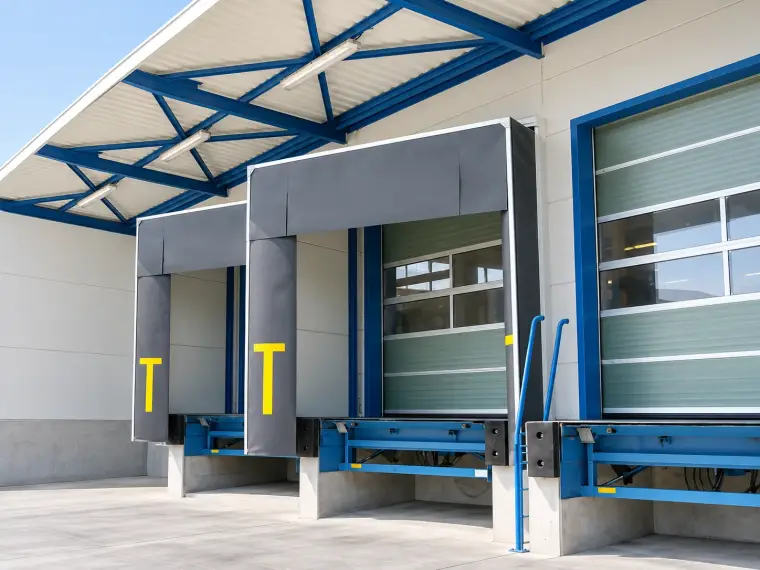
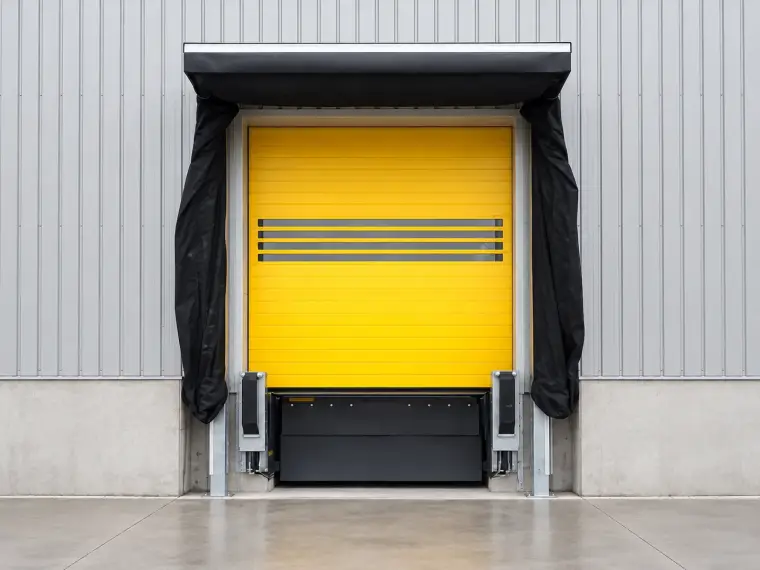
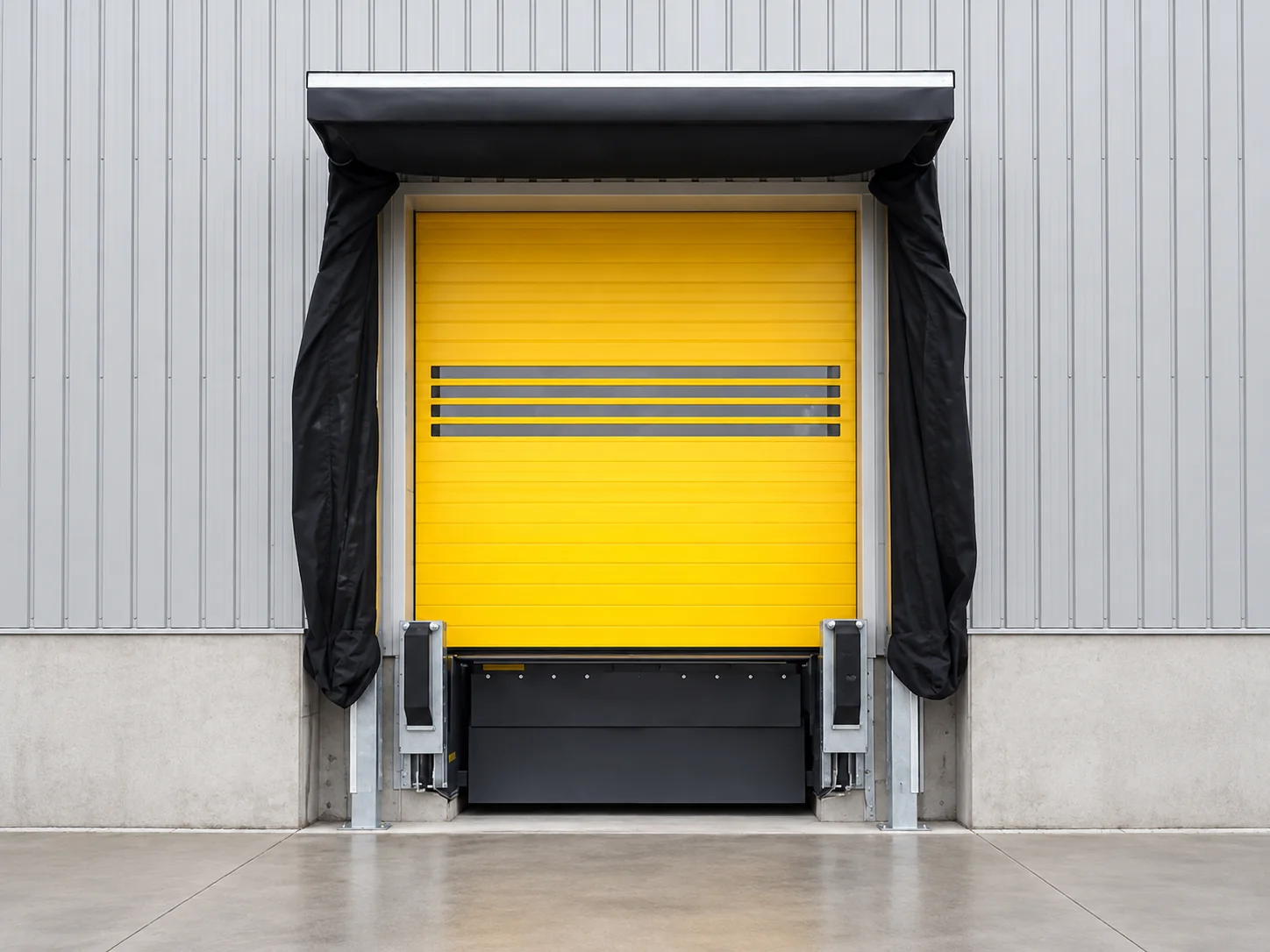
Dock shelters close the gap between the vehicle body and the building opening, creating an enclosed passage protected from rain, wind, dust and heat loss during loading.
- Category
- Dock Shelters
- Series and models
- 09
- Origin
- Çorlu / TR
Dock Shelter Systems
Series and models
Compare the options in this product group; each one has its own page with technical details.
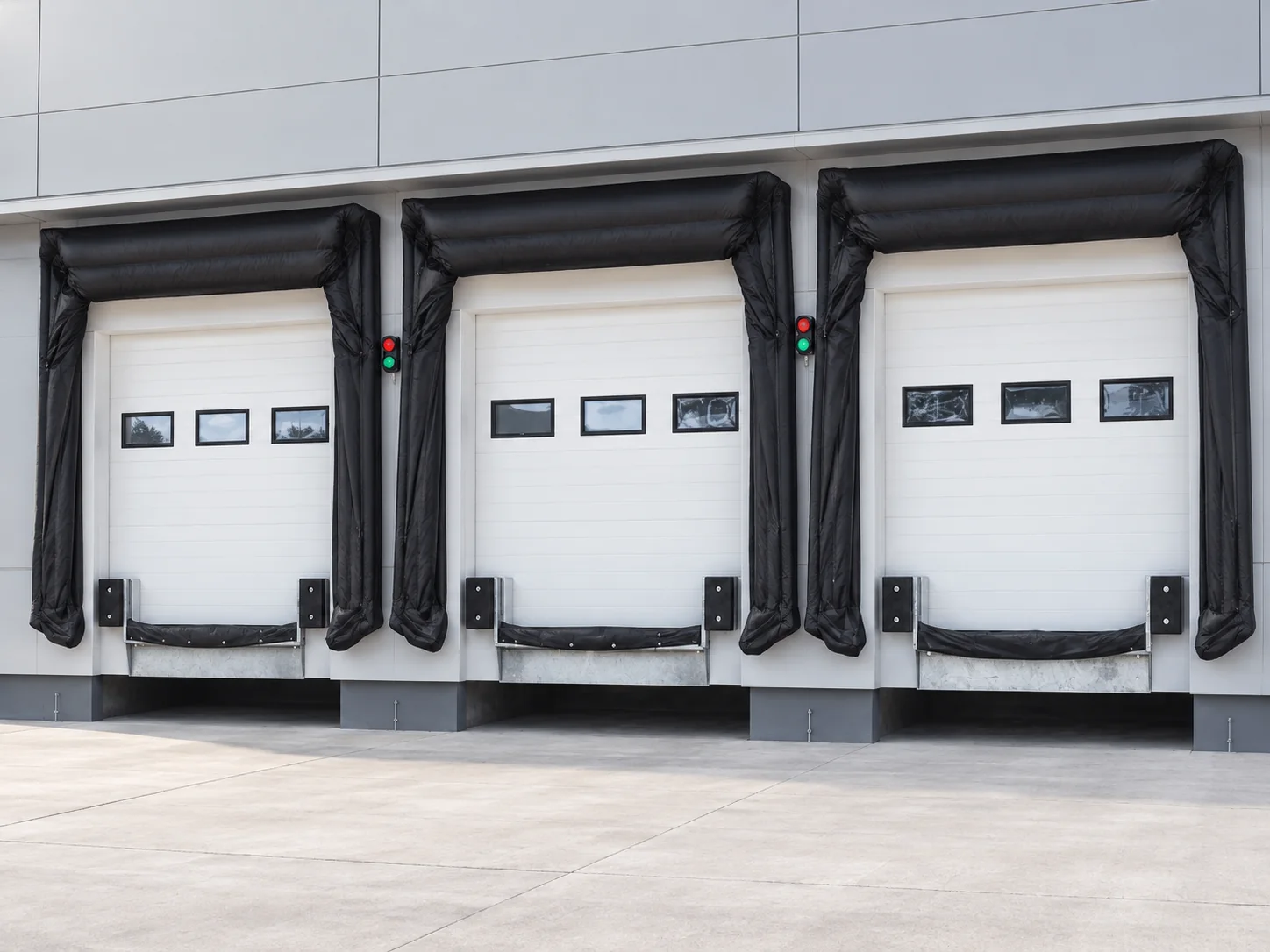 01Four-Sided Inflatable Dock ShelterAir cushions at the top, sides and bottom inflate once the vehicle has docked, wrapping around the rear of the vehicle on all four sides and turning the loading opening into an enclosed passage.
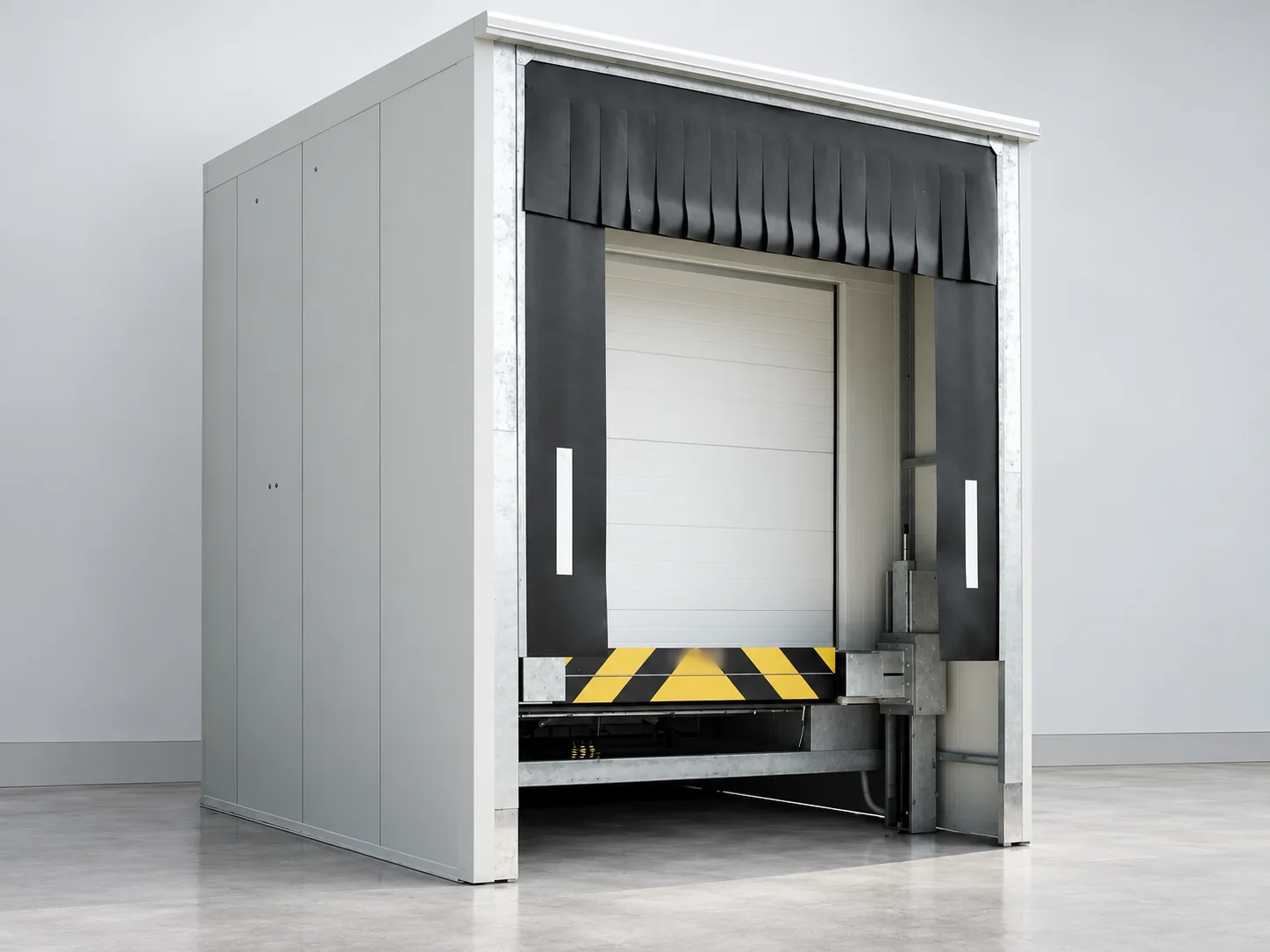
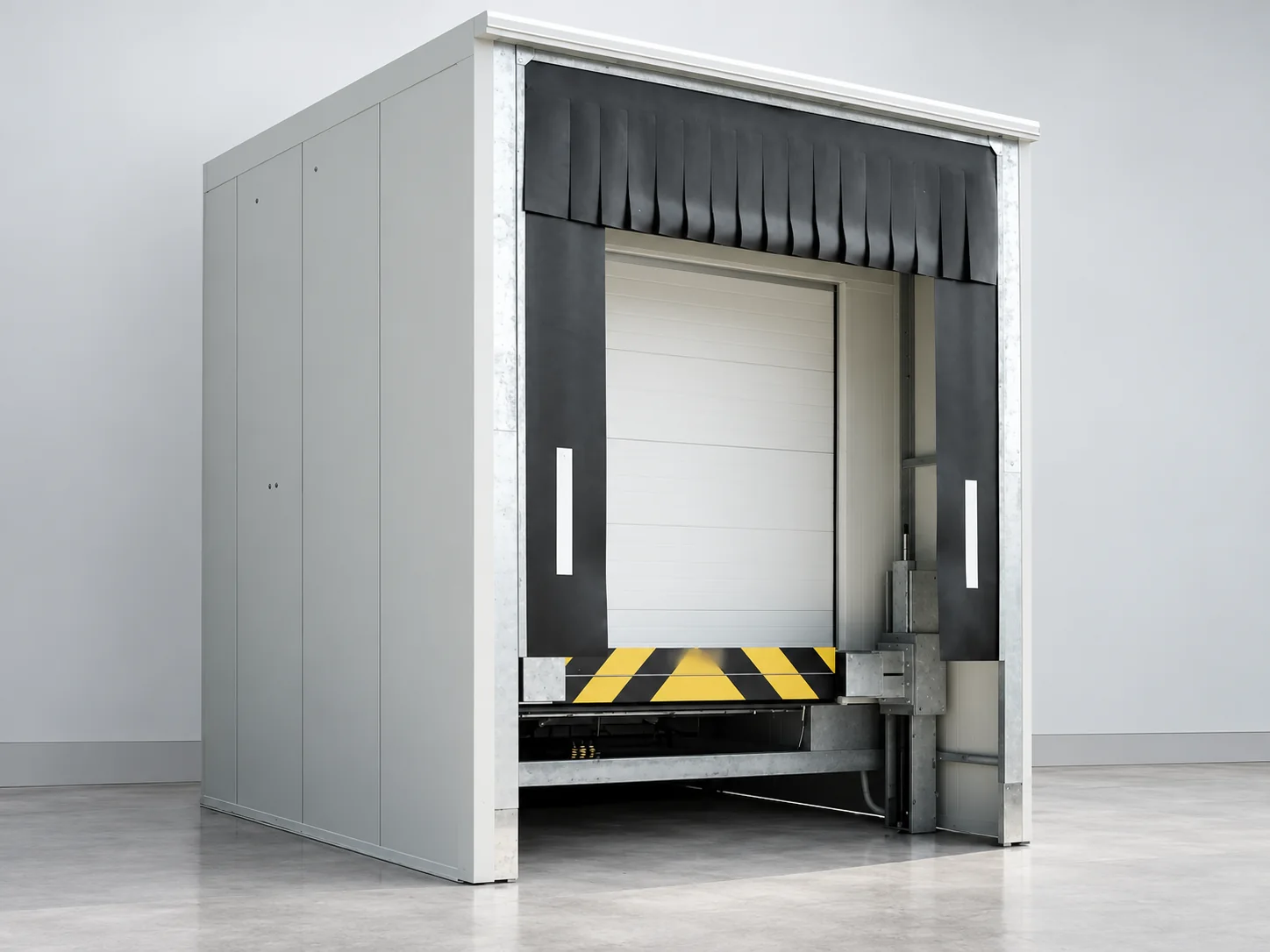 02Foam Pad and Lamella Curtain Dock SheltersThis product group brings together two separate shelter approaches that close the vehicle contact zone either with foam-filled pads or with flexible lamella curtains.
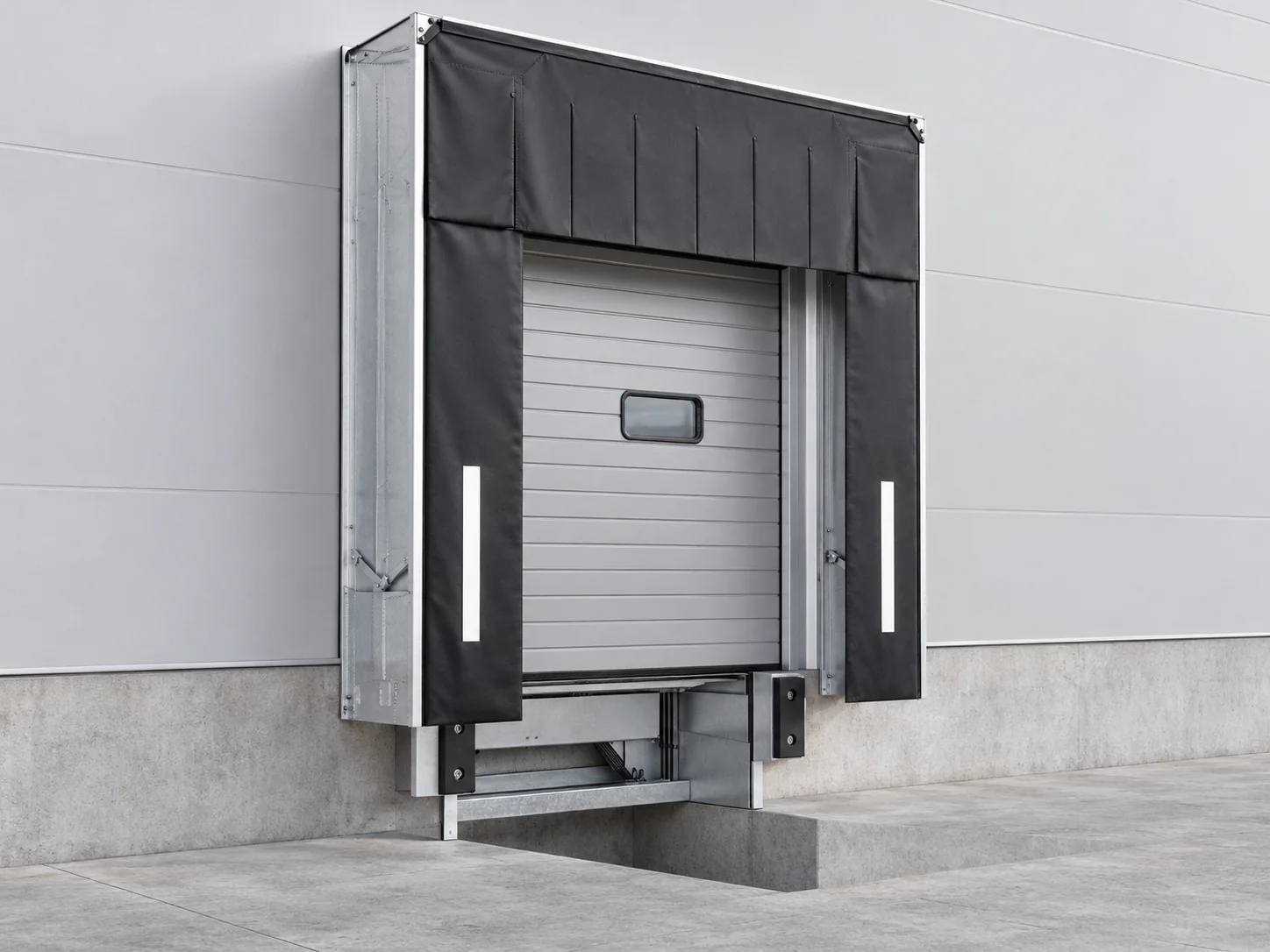 03Strip Curtain Loading Dock ShelterA dock shelter whose slit PVC curtains press against the vehicle body to close the gap around the door, mounted on a galvanised steel frame and needing no power.
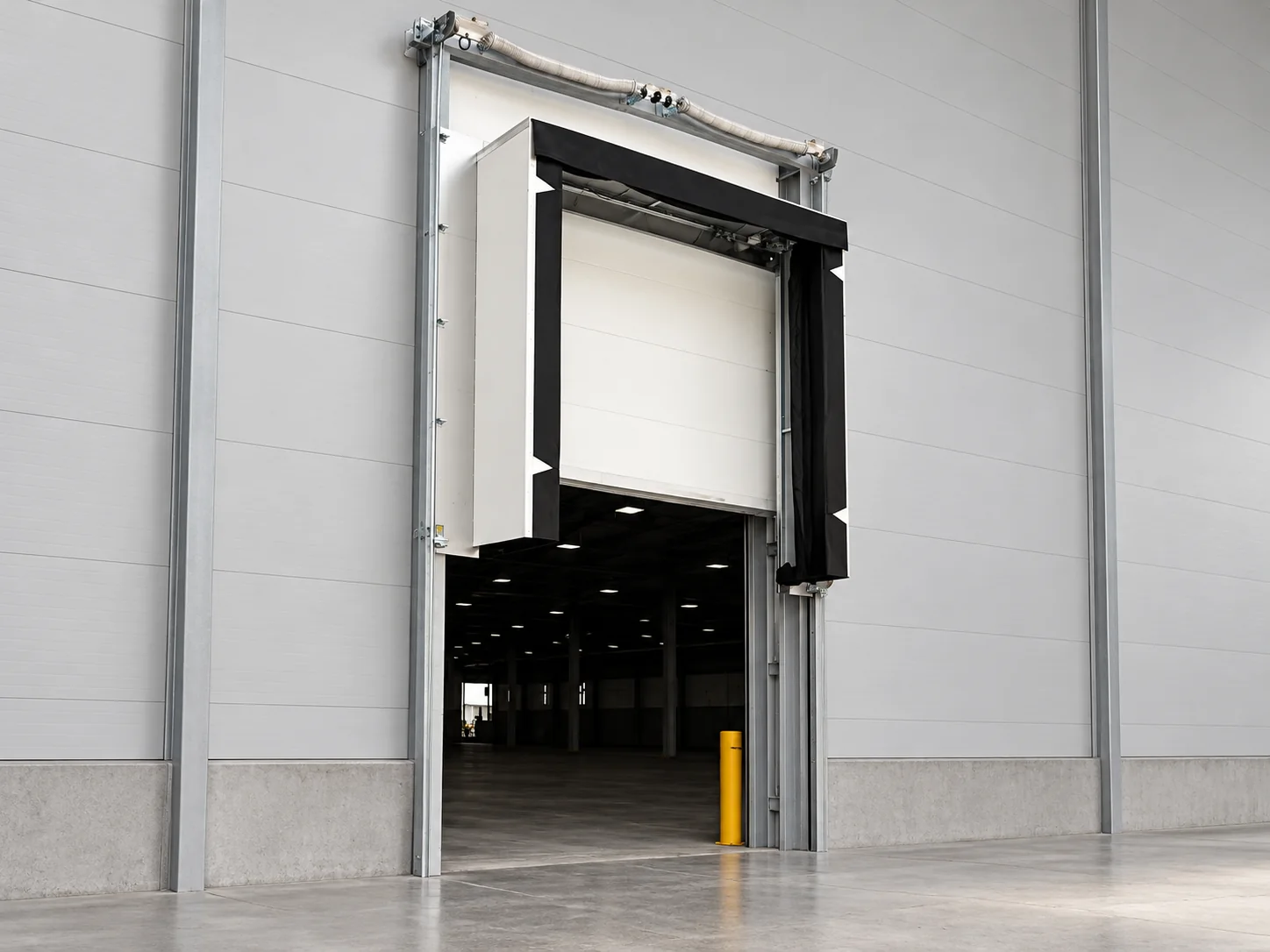
 04Head Curtain Strip Dock ShelterA dock shelter that closes the gap between the vehicle roof and the building at the top of the door opening with PVC strips, with no motor or power connection.
 05Loading Dock Shelter for the Automotive IndustryA dock shelter built across a wide size range for automotive supply chain sites, where trucks and containers of very different heights use the same door.
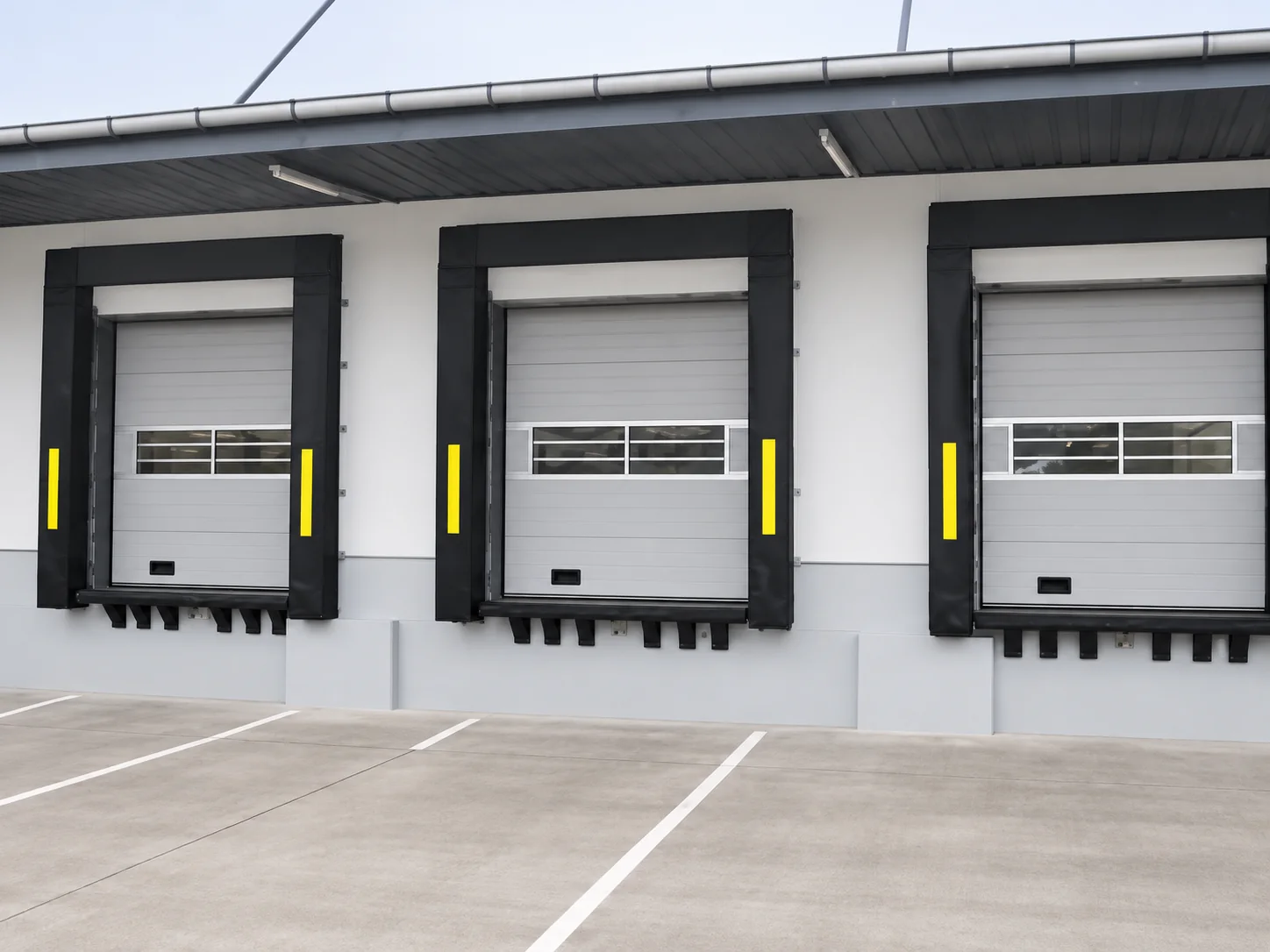 06Fixed and Movable Foam Dock SealsHigh-density foam pads fitted at the sides and top of the door are pressed by the docking vehicle’s body and fill the gaps along the contact line.
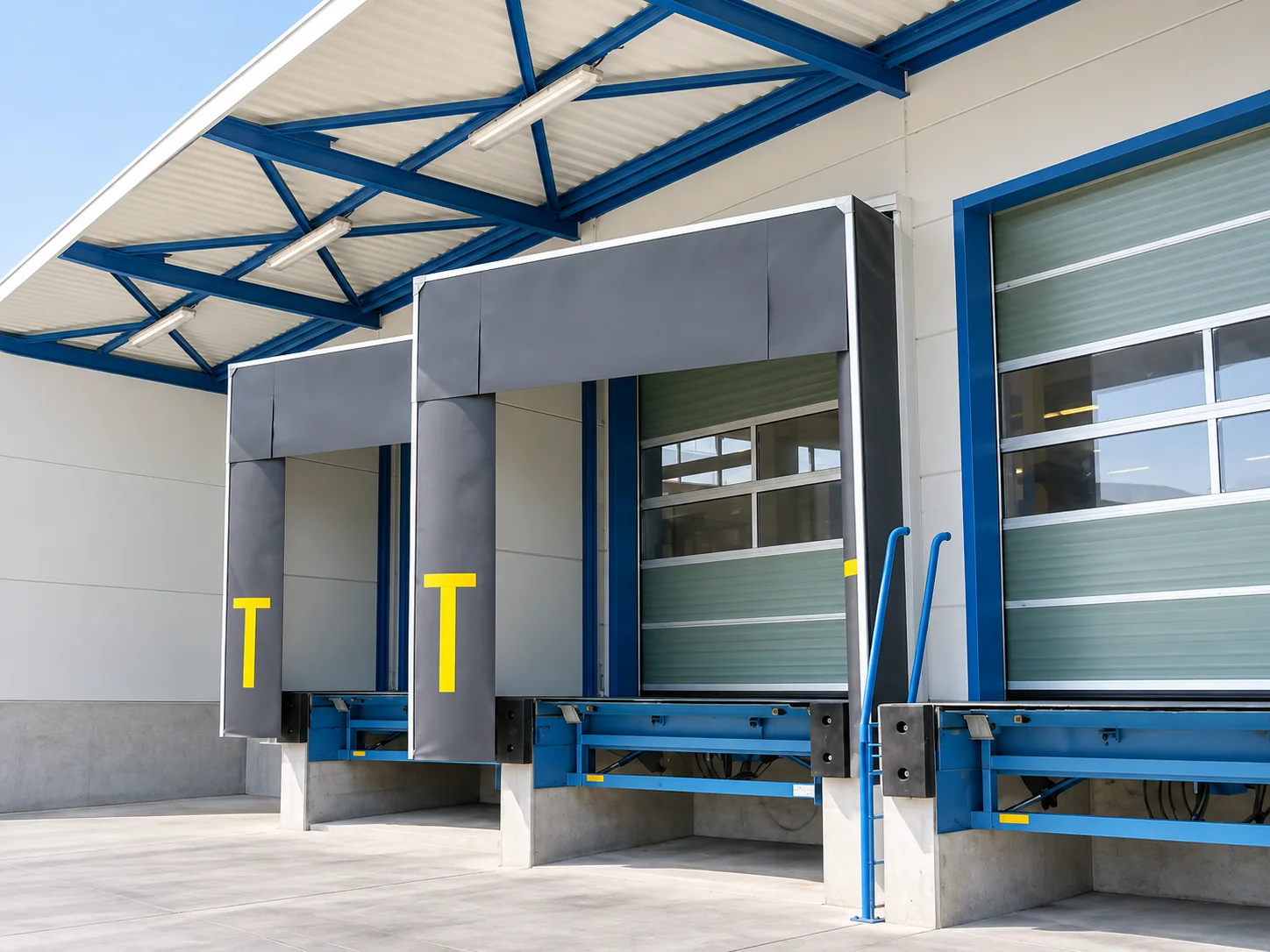 07Curtain-Type Loading Dock ShelterA dock shelter built from a top front curtain and two side curtains, configured for different usage intensities through PVC or Hypalon curtains and two thickness classes.
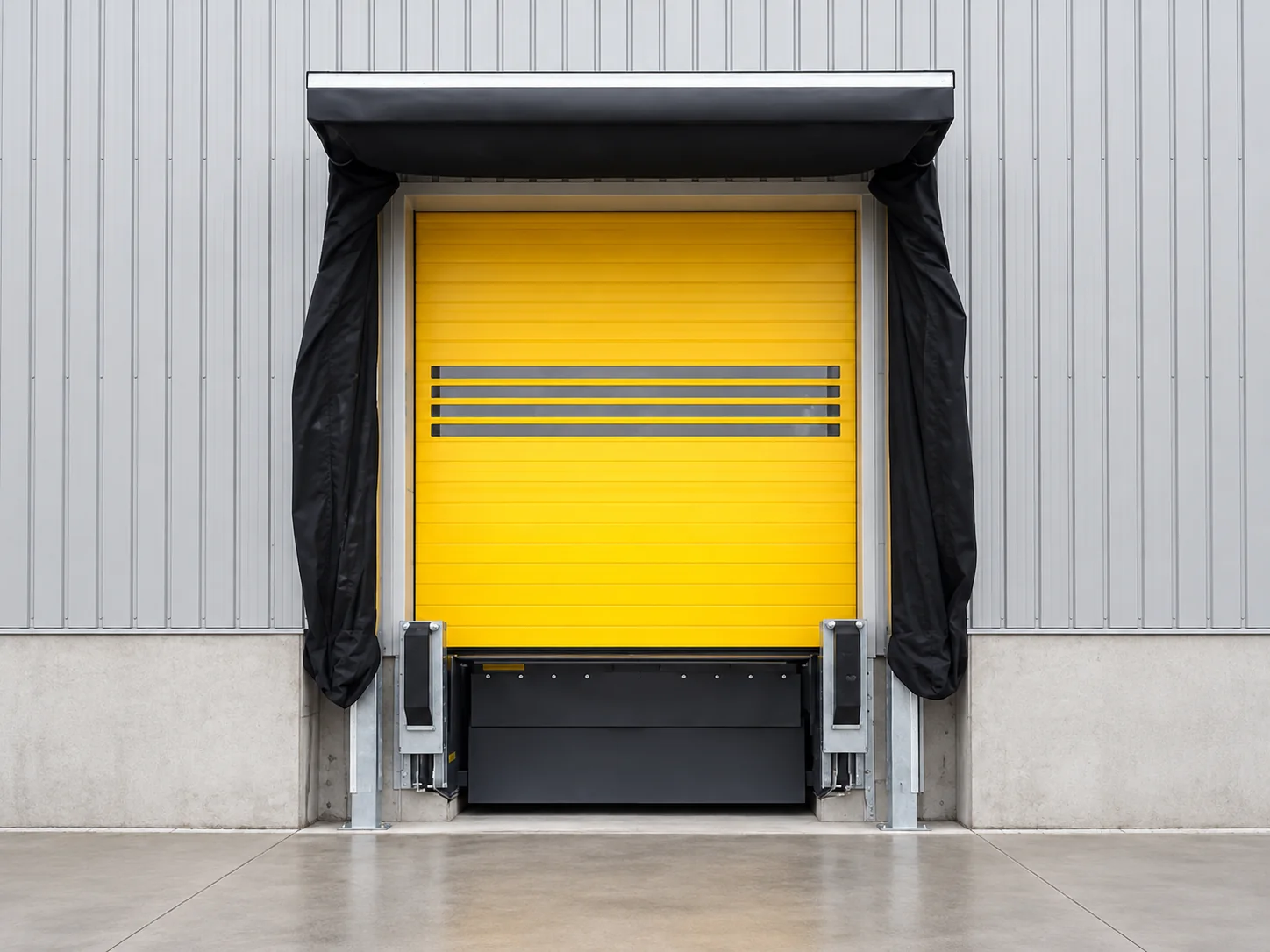 08Inflatable Loading Dock ShelterA dock shelter whose PVC or Hypalon cushions are inflated by a blower once the vehicle has docked, wrapping the body from above and the sides, with manual or automatic control.
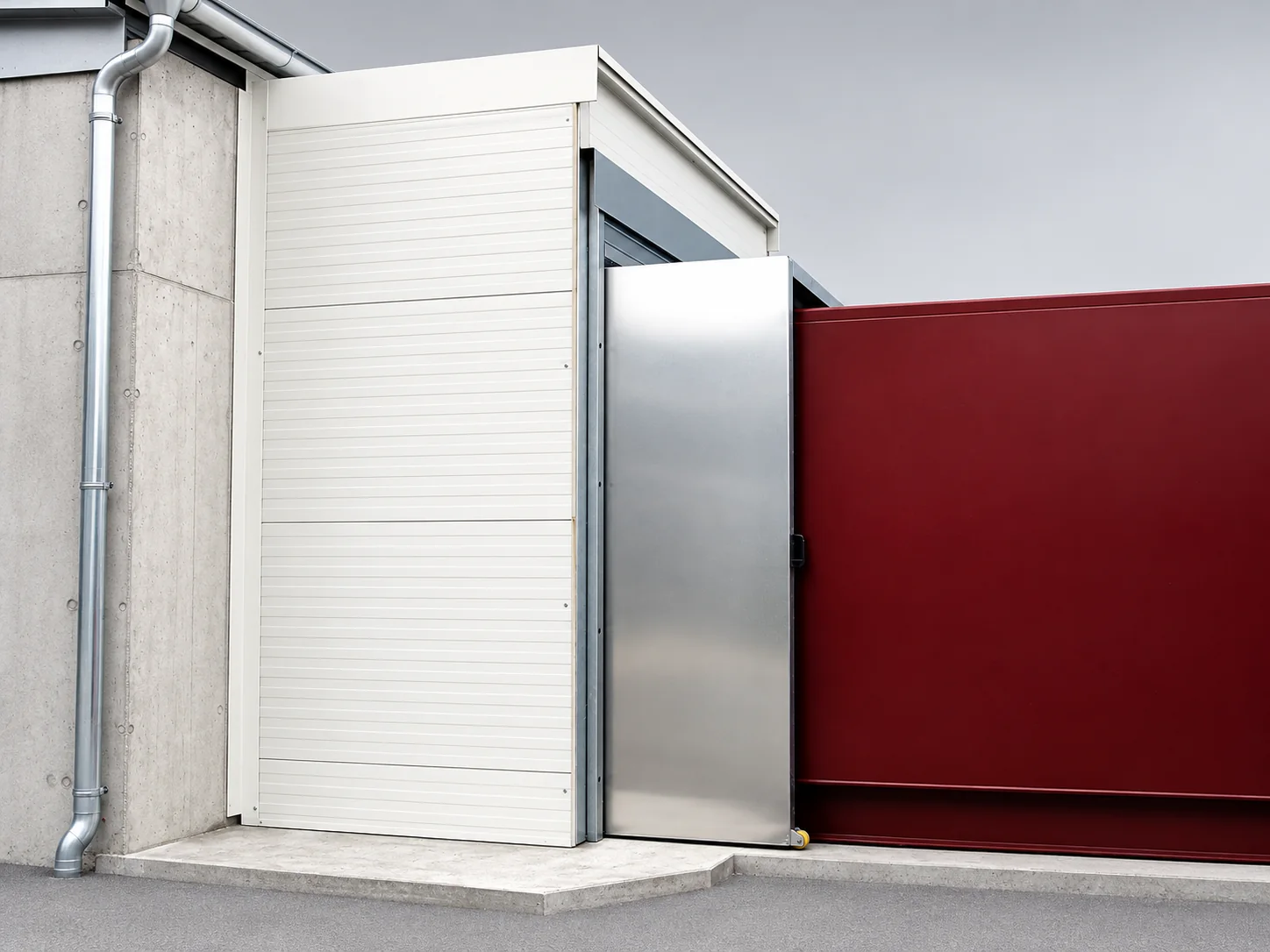 09Telescopic Sliding Dock ShelterA dock shelter whose body can travel outwards from the building between 300 and 1200 mm and retract again, adapting to docks where vehicles stop at varying distances.
Which shelter type suits which site?
A dock shelter is a sealing system that surrounds the door opening together with the vehicle body. The right type is chosen by assessing door size, the variety of vehicles in the fleet and the site environmental control needs together.
The product group covers three main approaches. In inflatable shelters, air cushions inflate around the vehicle; the four-sided inflatable shelter is the most complete example. In curtain and lamella shelters, flexible curtains adapt to different vehicle bodies. Pad shelters use foam-filled cushions in the contact zone.
Special solutions such as telescopic shelters and automotive shelters for tall vehicles are also available. Because needs differ across cold-chain, warehousing and production sites, see the detail pages of the sub-models.
Inflatable type
Air cushions inflated by a blower settle around the vehicle; a strong option where temperature control matters.
Curtain and lamella type
Flexible curtains adapt to vehicle bodies of different widths and heights.
Foam pad type
Foam-filled pads surround the opening in the zone that touches the vehicle.
Matched to door and dock
The shelter is dimensioned and planned together with the loading door and dock equipment.
Quick comparison of shelter types
- Inflatable shelter: Surrounds the body with cushions inflated after docking; the cushions deflate as the vehicle leaves.
- Curtain / lamella shelter: Flexible curtain panels close onto the body as the vehicle docks; useful for fleets with varying vehicle sizes.
- Pad shelter: Foam-filled pads contact the rear of the vehicle directly; fixed and movable pad options are available.
- Special solutions: Telescopic shelters and shelters for car manufacturers are designed for non-standard docking conditions.
Images from shelter applications
Image gallery
24Click an image to move through the gallery.
What to check when choosing a shelter
- Besides the width and height of the opening, measure where vehicles actually stop when docking.
- Identify the smallest and largest vehicles in your fleet; curtain types adapt more easily to varying sizes.
- Clarify the structure of the mounting facade (concrete, panel, steel) from the start.
- Assess loading frequency and temperature sensitivity; in cold chains, inflatable or pad types may come first.
Frequently asked questions
What is the difference between an inflatable and a curtain shelter?
In an inflatable system, air cushions provide the fit around the vehicle. Curtain types use flexible curtains. The choice depends on vehicle variety and environmental control needs.
When is a foam pad shelter preferred?
This type uses filled cushions in the contact zone and gives a closure that sits directly against the rear of the vehicle.
Can the shelter be chosen independently of the dock and door?
Shelter size relates directly to the door opening and dock position, so planning all three together is recommended.
Can shelters be used for container loading?
The images include an example of a container docked at a sheltered loading point; the suitable type is chosen according to vehicle dimensions.