

Mobile Yard Ramps · D Series American-Style
D Series American-Style Mobile Yard Ramp: Mechanical, No Hydraulics
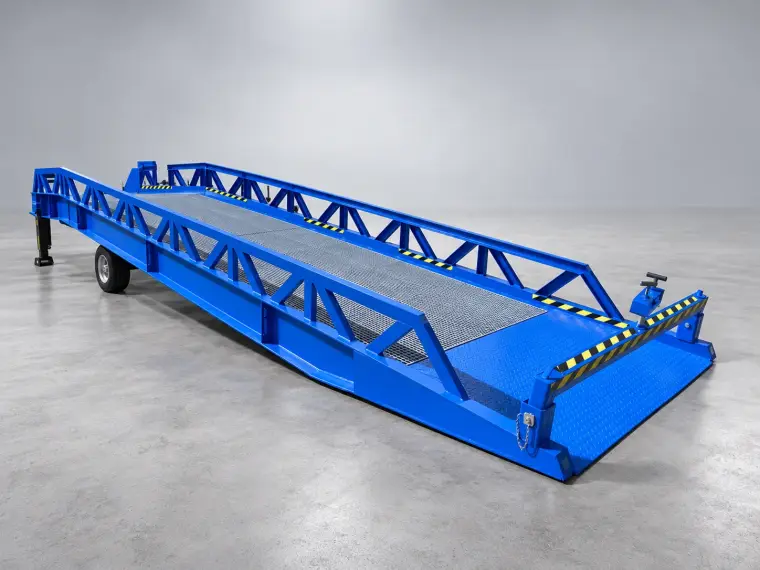
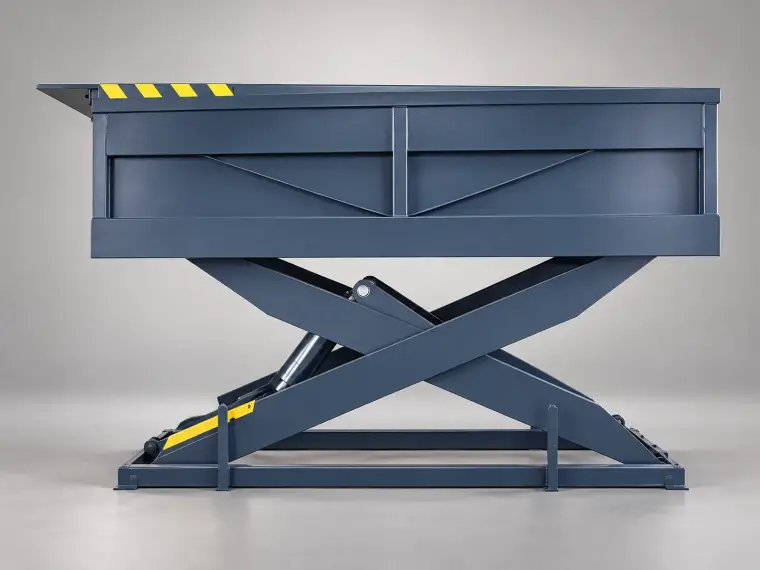
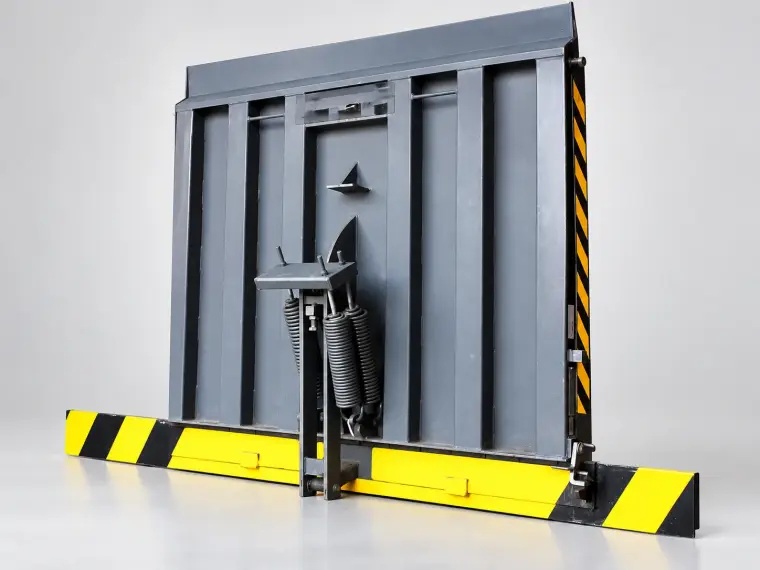
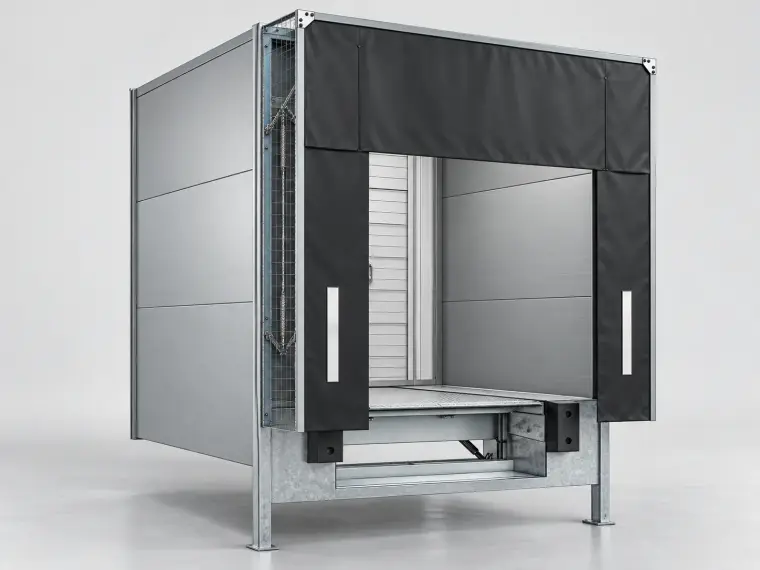
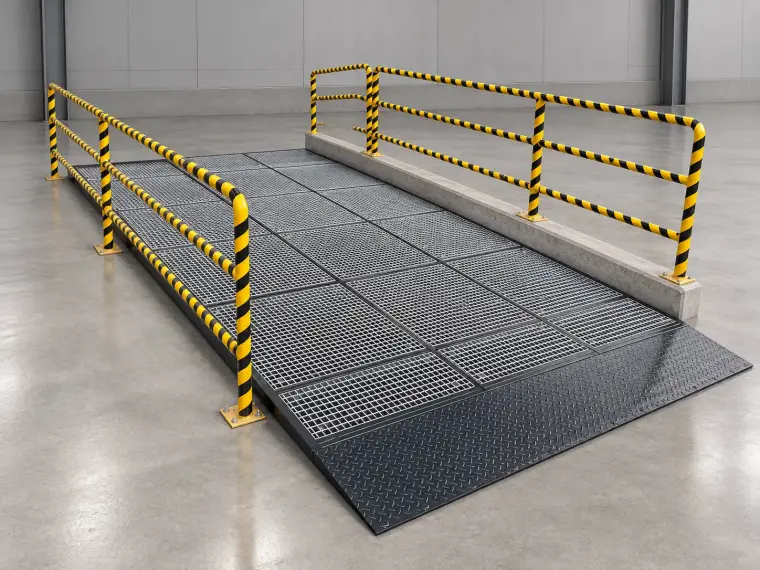
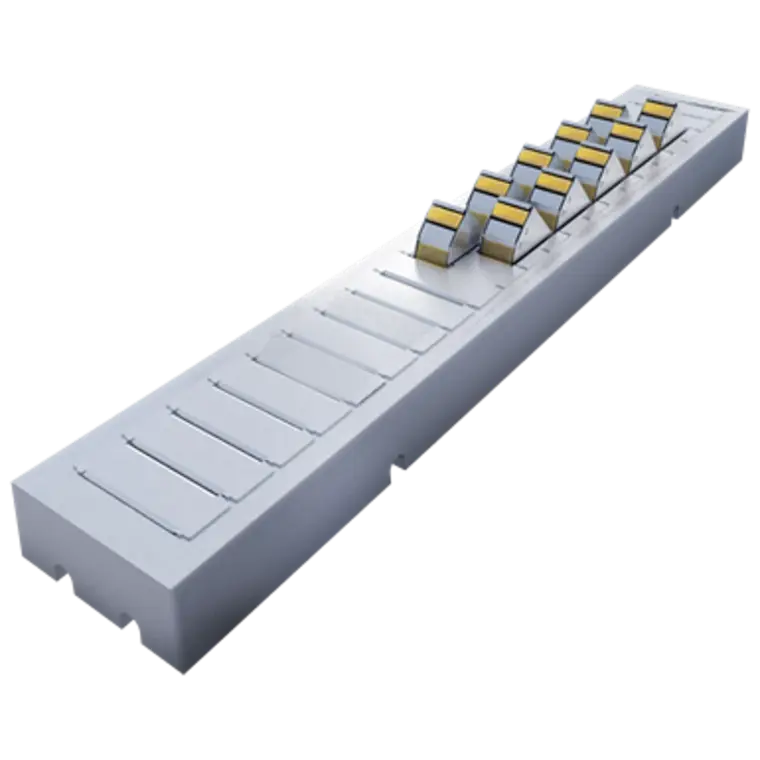
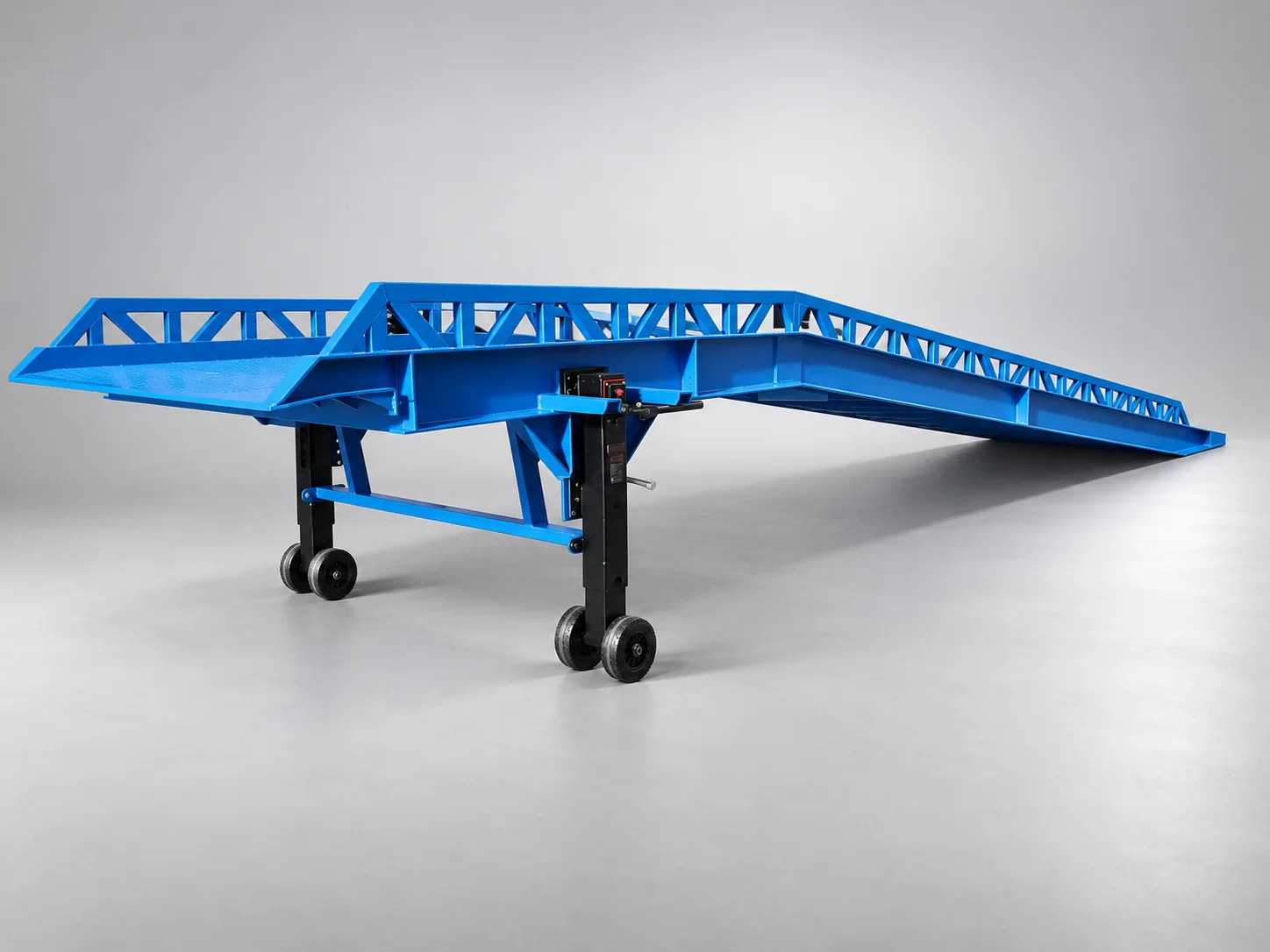
A compact D Series American-style mobile yard ramp with a steel-construction body, no hydraulic equipment and no lip, engineered to work together with the vehicle’s trailer.
- Category
- Loading Ramps
- Product group
- D Series Mobile Yard Ramps
- Origin
- Çorlu / TR
Why choose a mobile yard ramp that works without hydraulics?
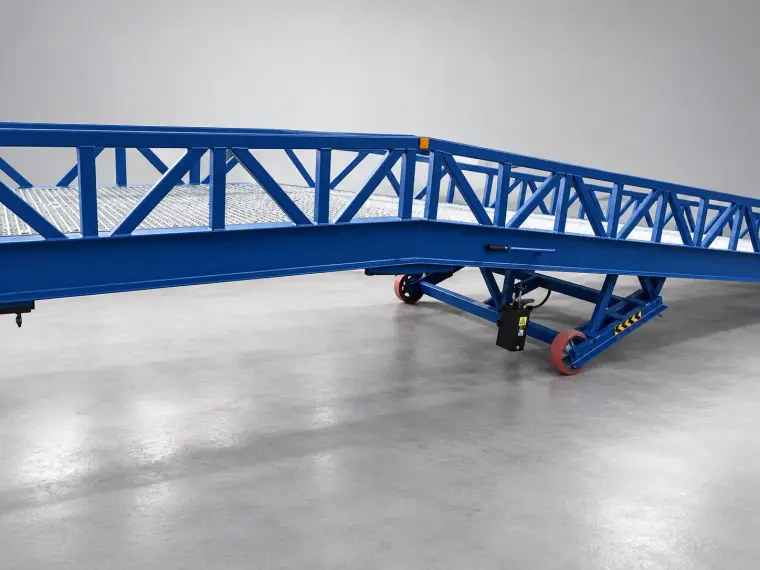
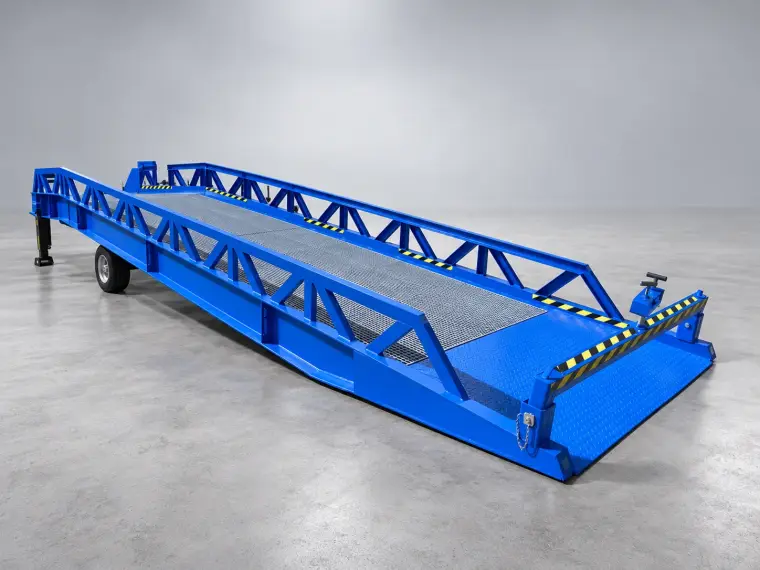
The American-style model is the simplest option in the D Series. The body has no hydraulic pump, piston or hose; the ramp works entirely by mechanical means, and its steel-construction load-bearing structure is kept compact.
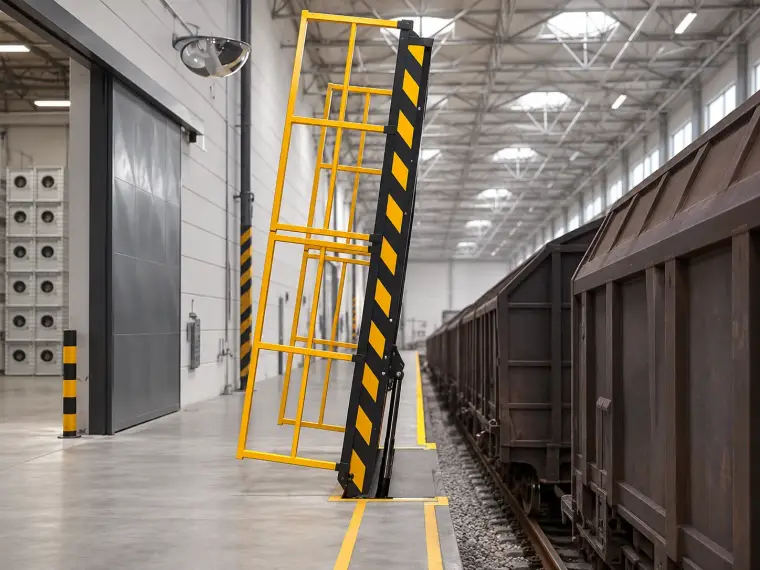
Another difference is the absence of a lip. The ramp is designed as a mechanical structure that works together with the vehicle’s trailer, and its dimensions are engineered according to the vehicle types arriving on site and the conditions at the loading point.
It is a simple alternative for operations that do not want hydraulic maintenance or that serve a defined vehicle profile. Where push-button height adjustment is needed, see the D Series hydraulic model page.
No hydraulic circuit
A build with no pump, piston or hose needs no hydraulic oil checks or leak monitoring.
Lip-free design
A crossing arrangement that works with the trailer is set up without a lip.
Compact steel body
The load-bearing structure is steel construction with a simple, compact form.
Engineered to the vehicle
Ramp dimensions are set by the vehicles it will serve and the site conditions.
Key features of the American-style model
- Body
- Steel construction
- Operating principle
- Mechanical
- Hydraulic equipment
- None
- Lip
- None
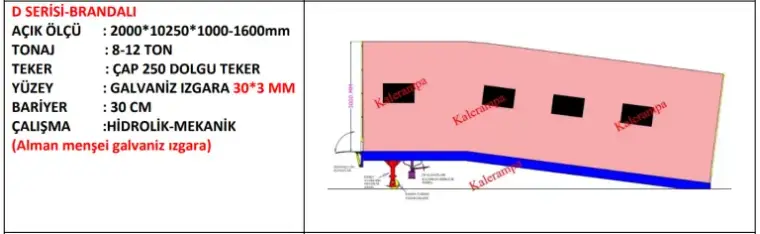
For this model, dimensions and capacity are not taken from a standard table but set according to vehicle and site information.
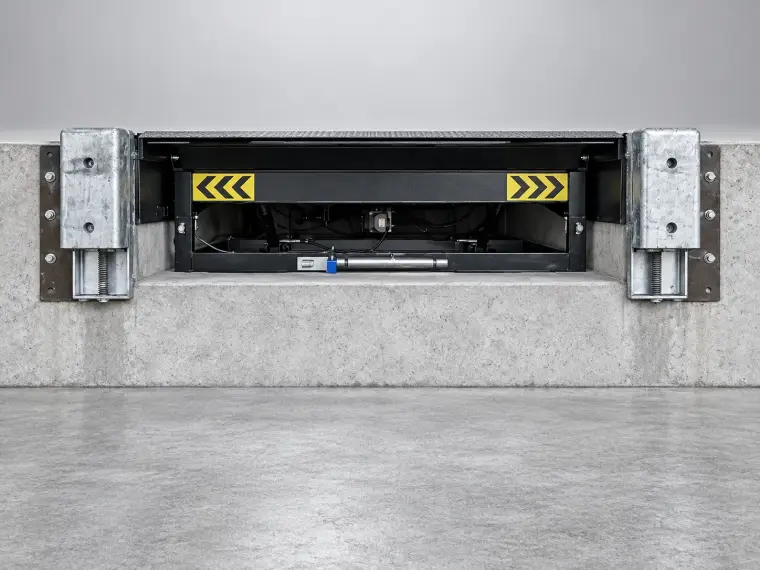
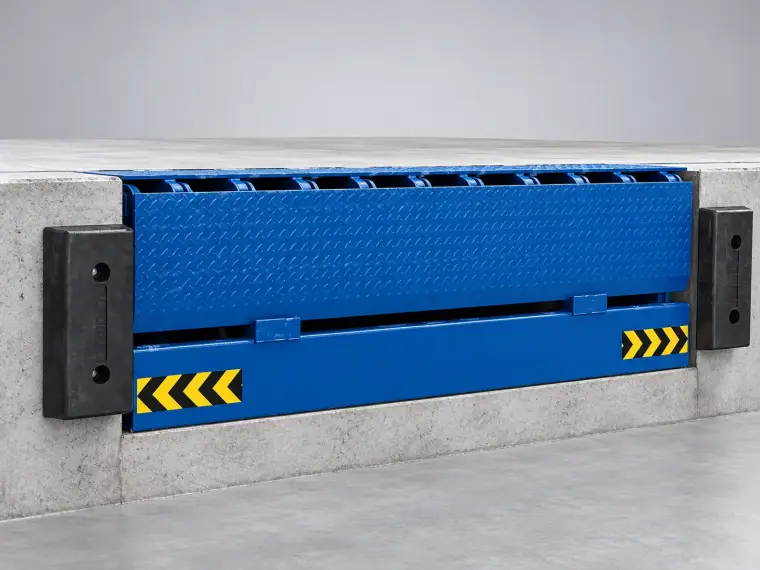
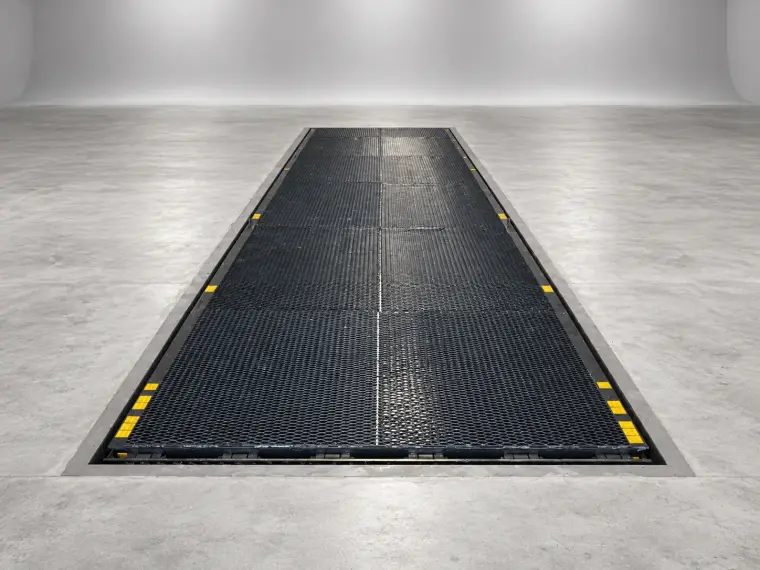
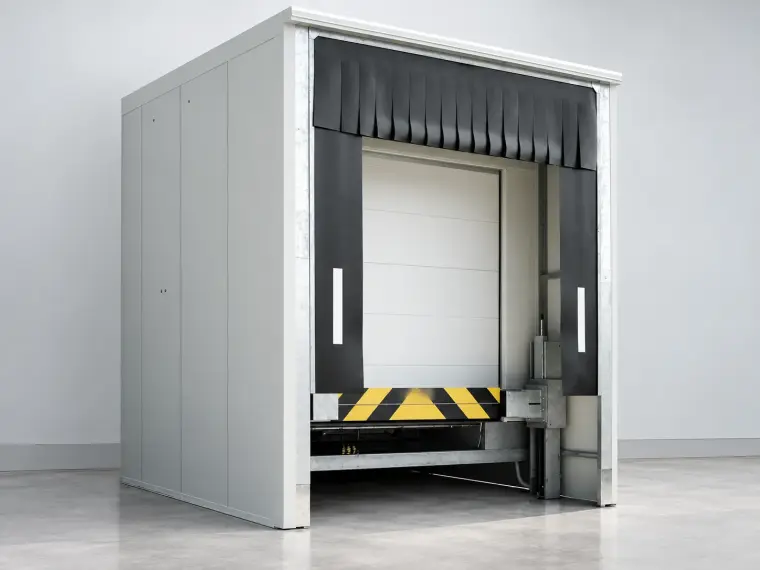
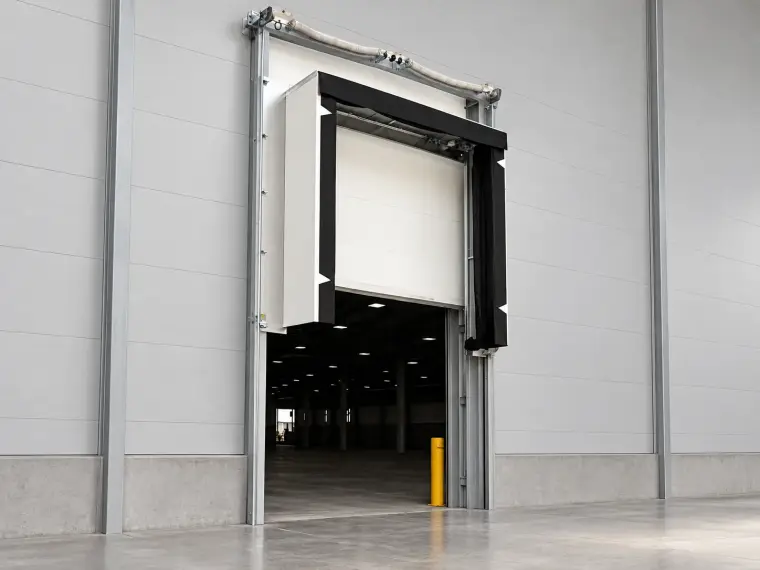
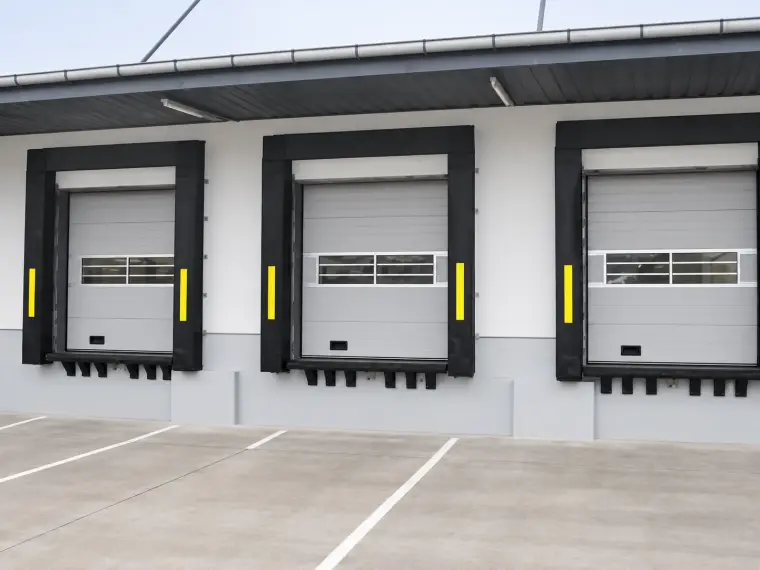
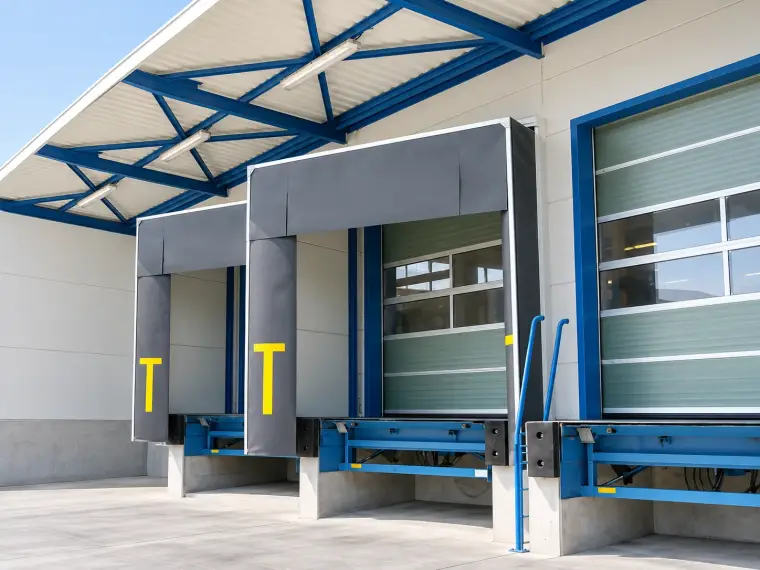
American-style model images
Image gallery
04Click an image to move through the gallery.
When evaluating the American-style model
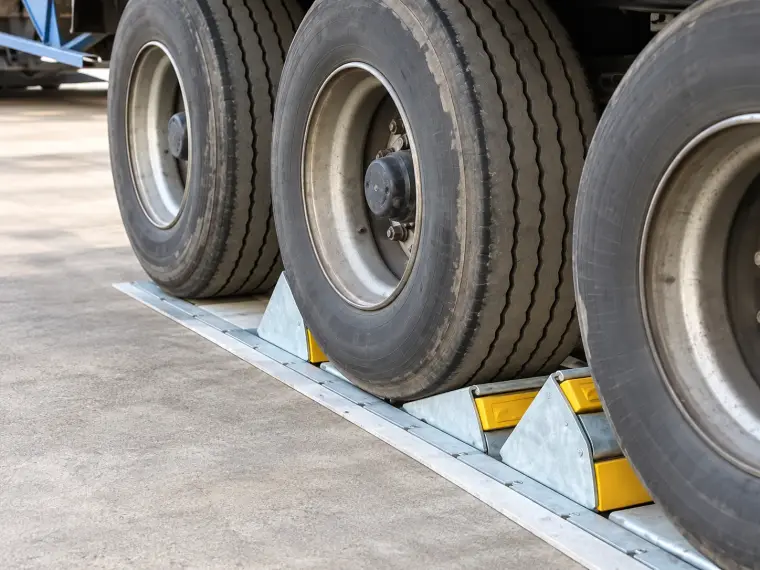
- List the trailer heights of the vehicles that will dock at the ramp in advance; the mechanical structure is engineered around this information.
- On sites where the vehicle profile changes often, compare the hydraulically adjusted models as well.
- Inspect mechanical connection points and the steel body regularly for corrosion and loosening.
Questions about the American-style model
How is height determined on the American-style model?
As there is no hydraulic adjustment, the ramp is engineered mechanically to the dimensions of the vehicles and site it will serve.
What does the lack of a lip change in use?
The crossing is made through a mechanical arrangement that works with the trailer rather than over a lip.
Which operations is this model suited to?
It is a simple option for sites that do not want hydraulic maintenance and that serve a defined vehicle profile.